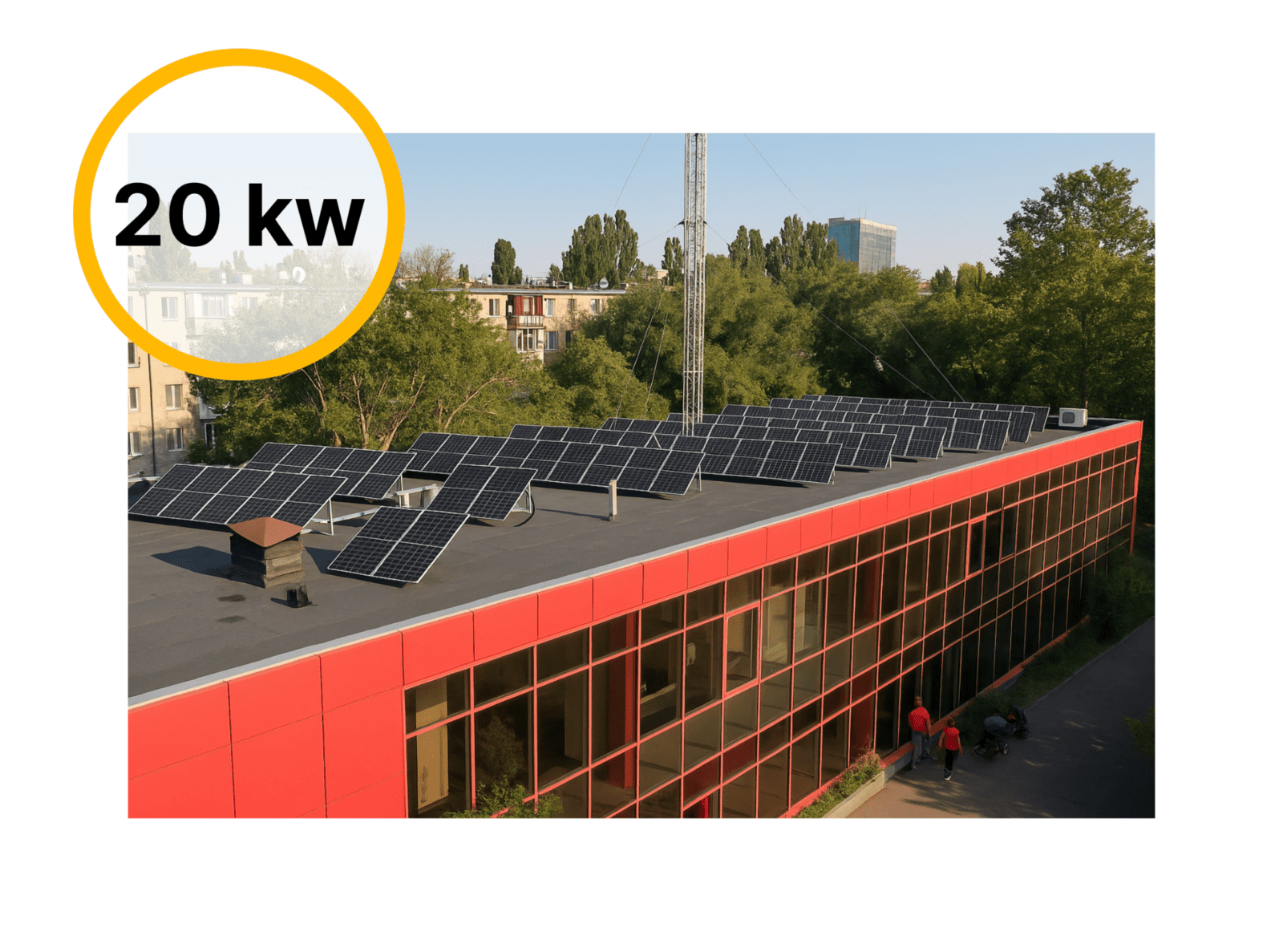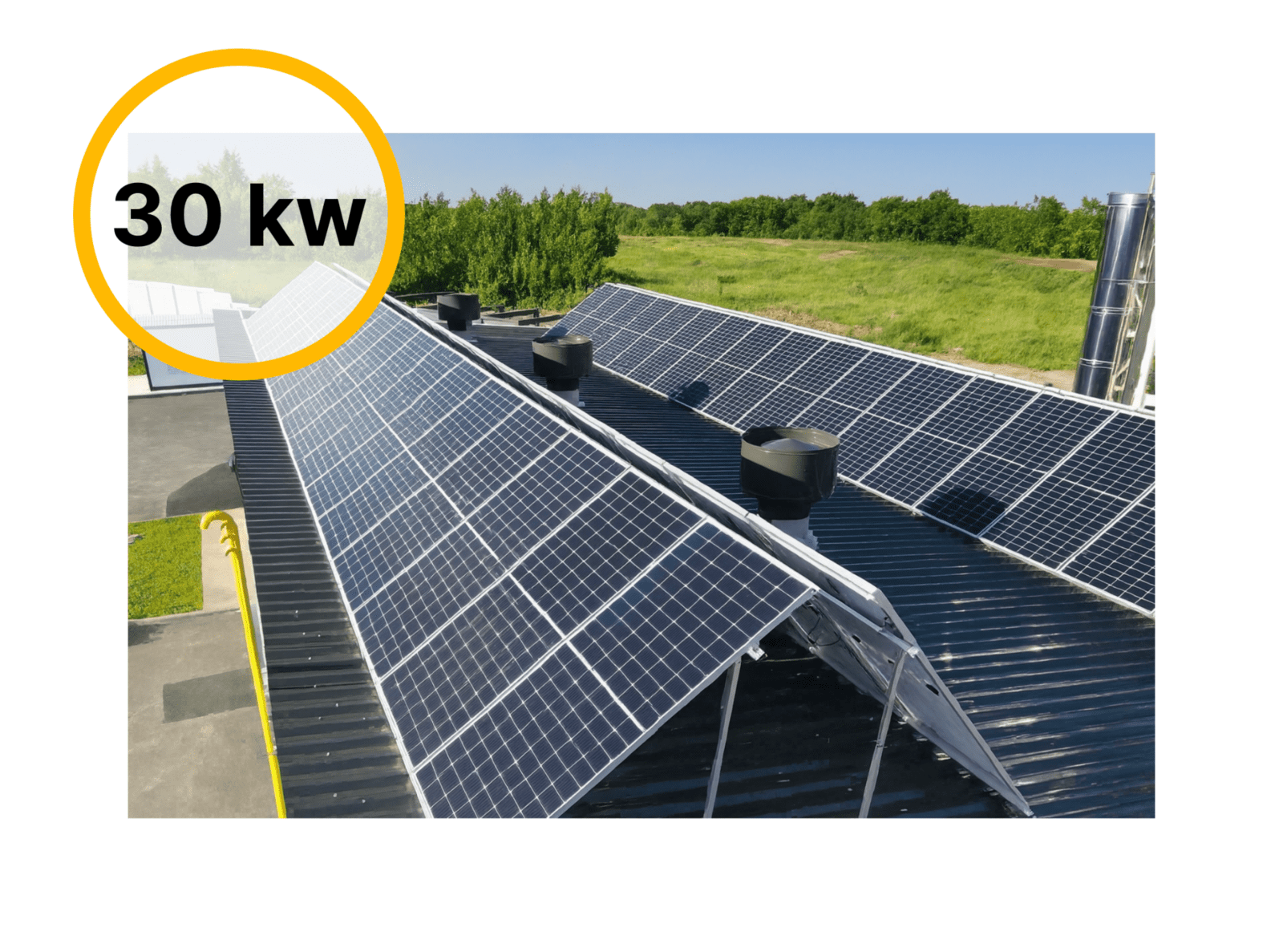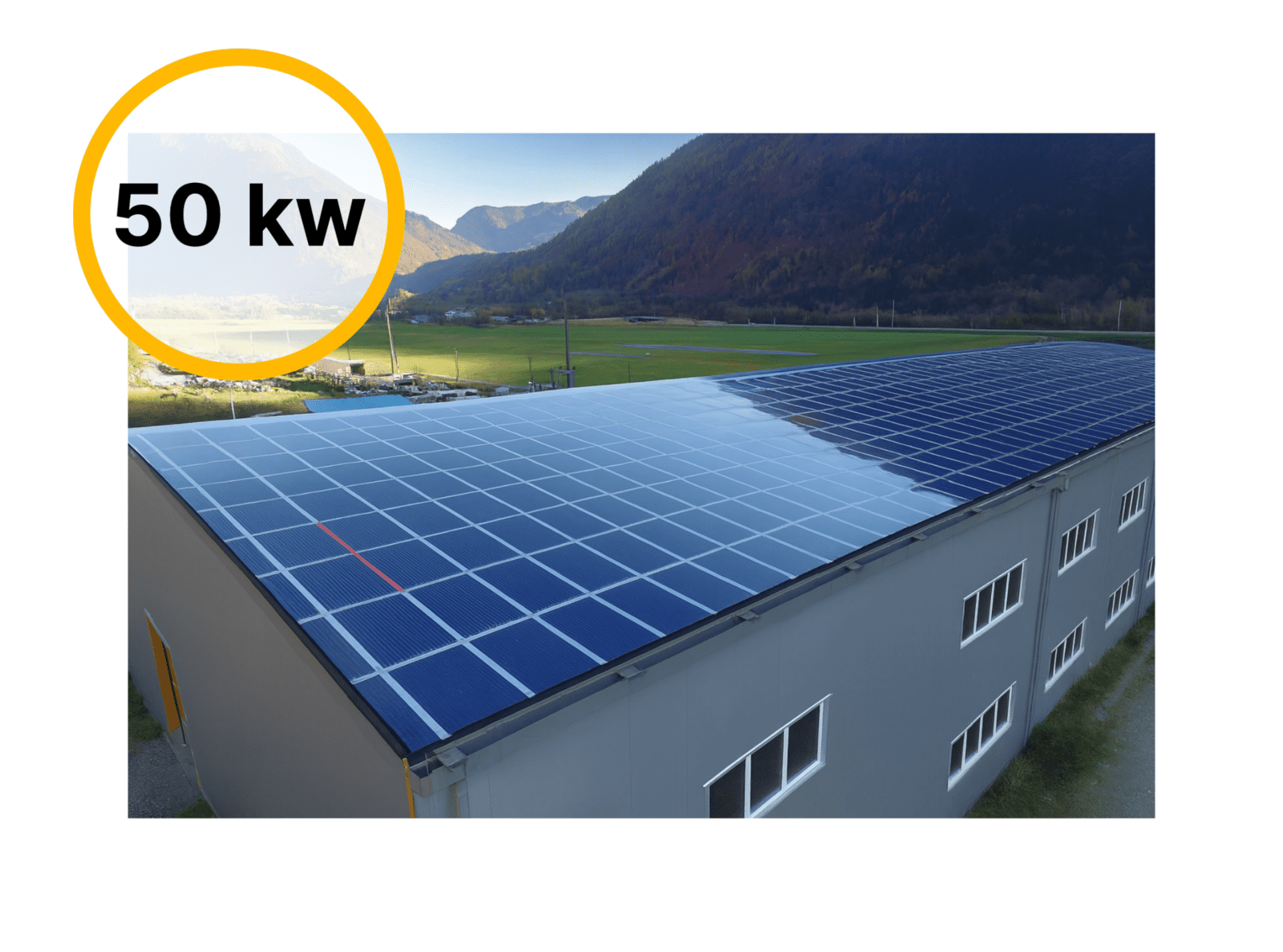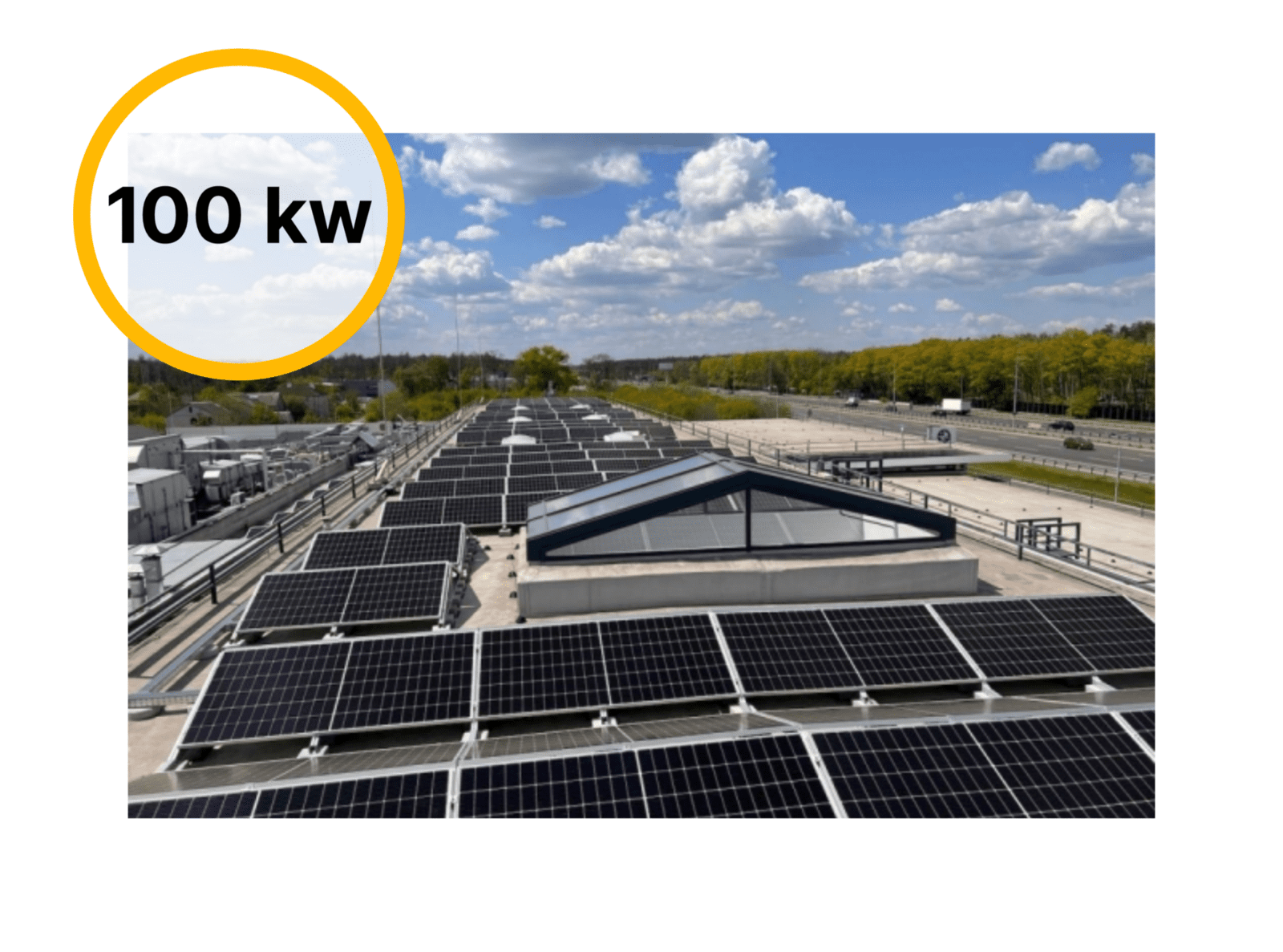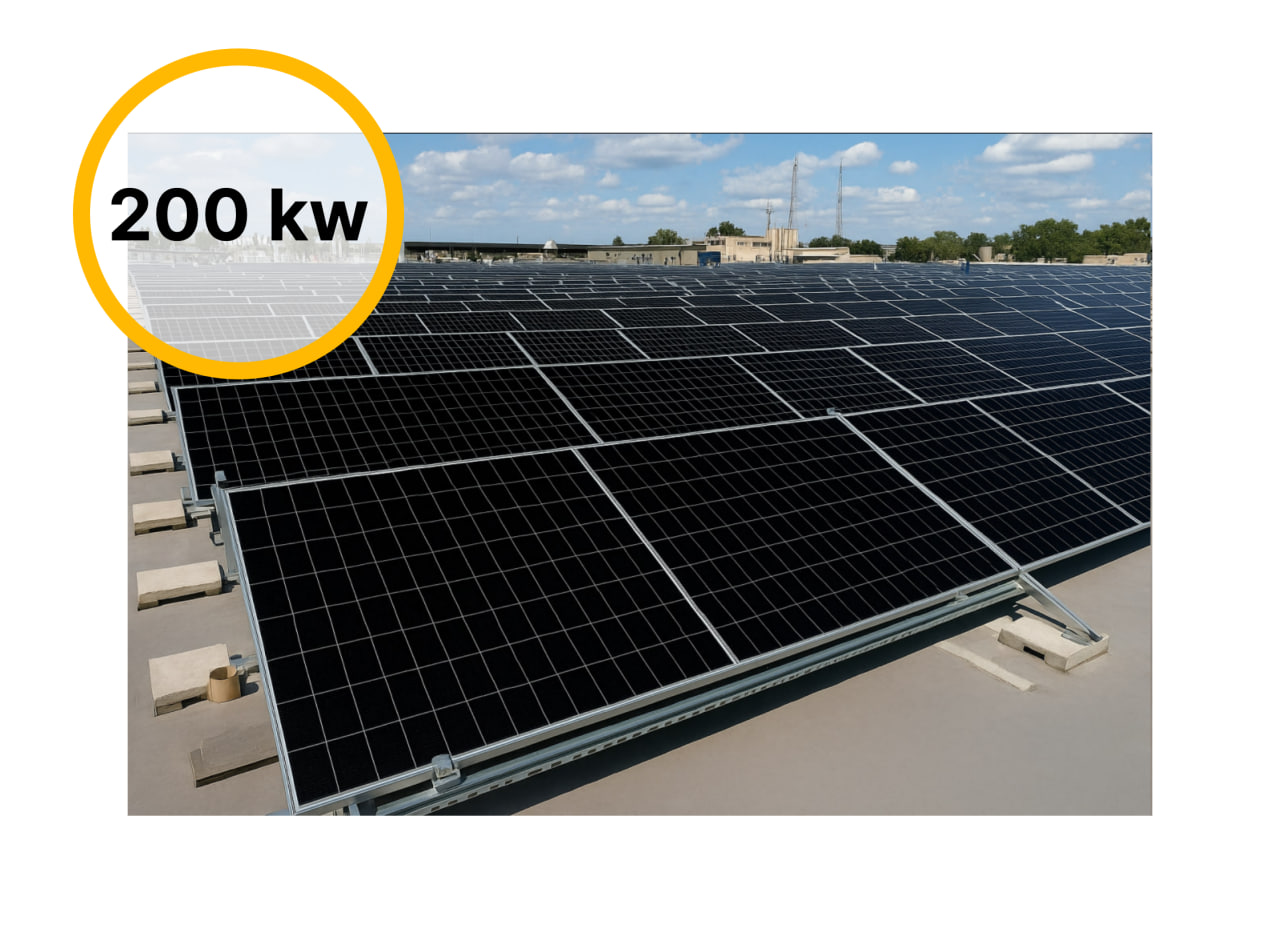
Hybrid solar power plant with batteries, 5 MW capacity
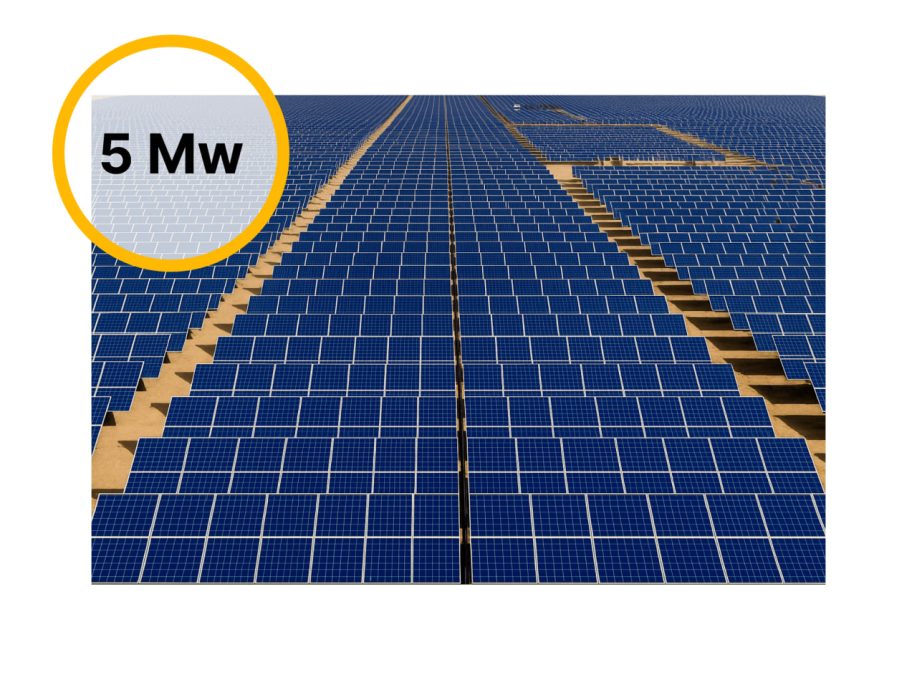
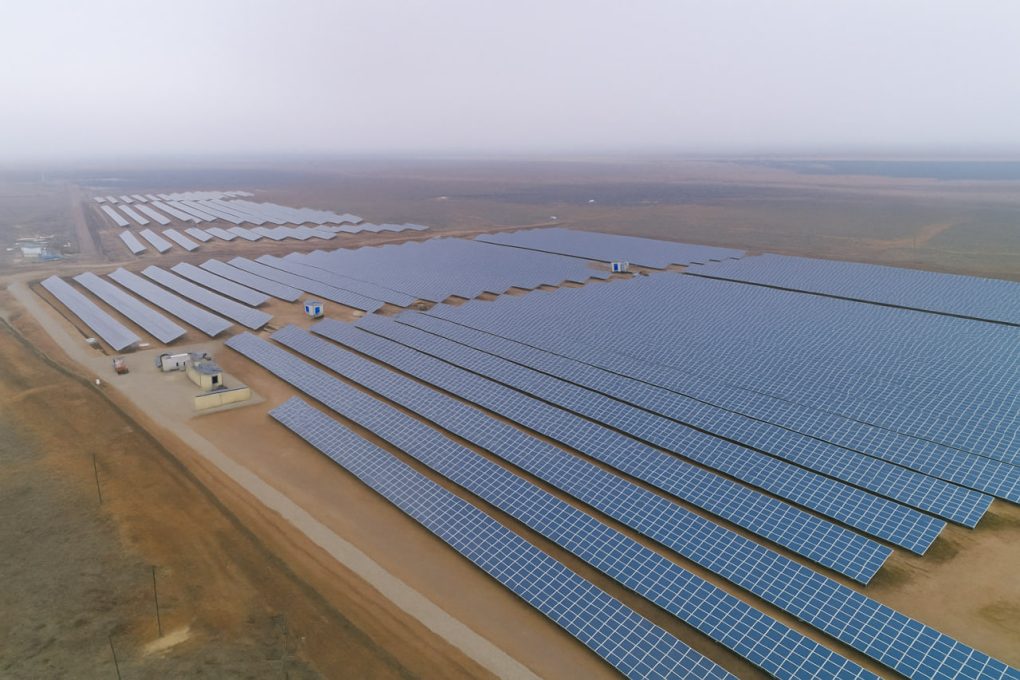
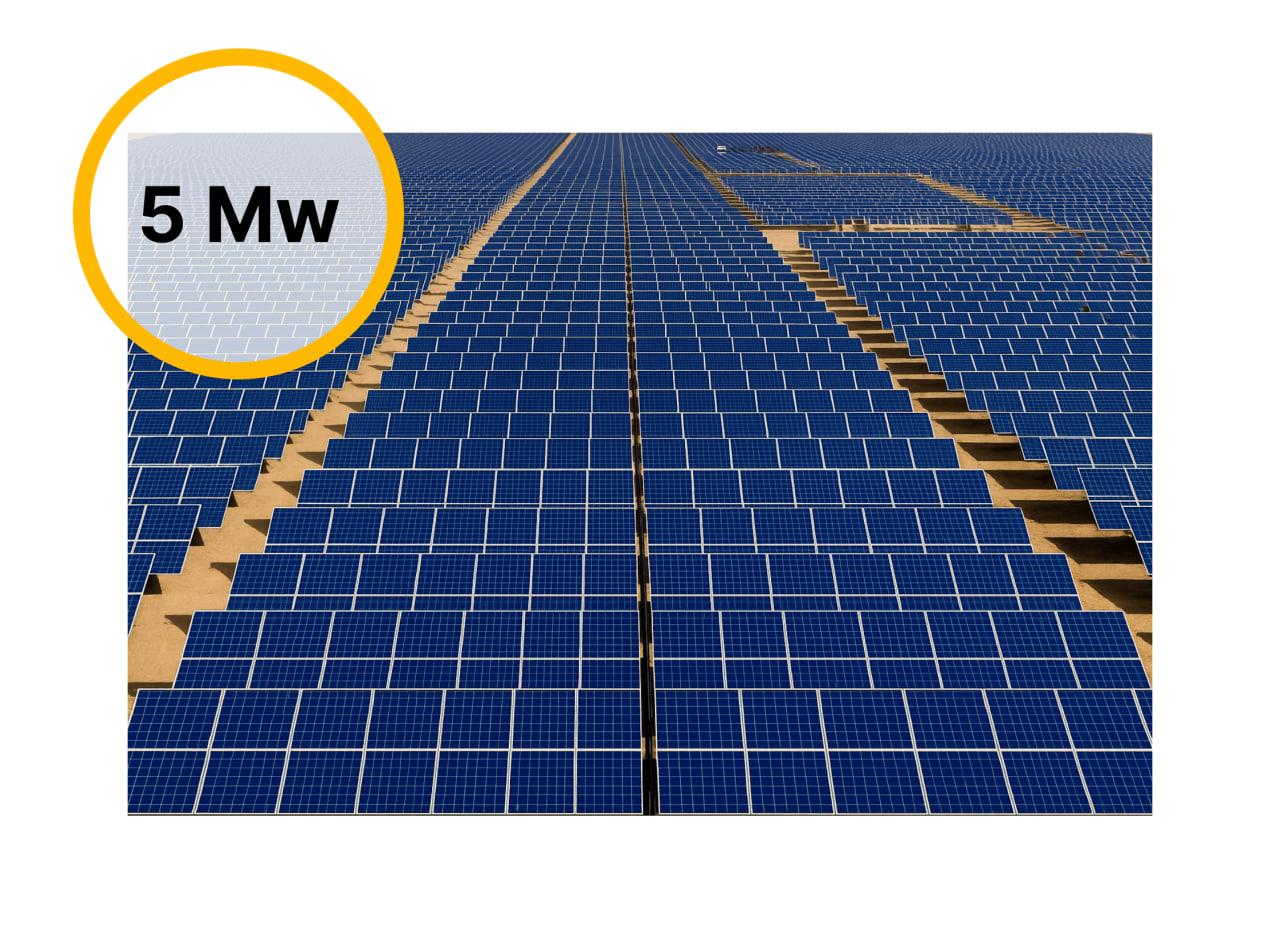
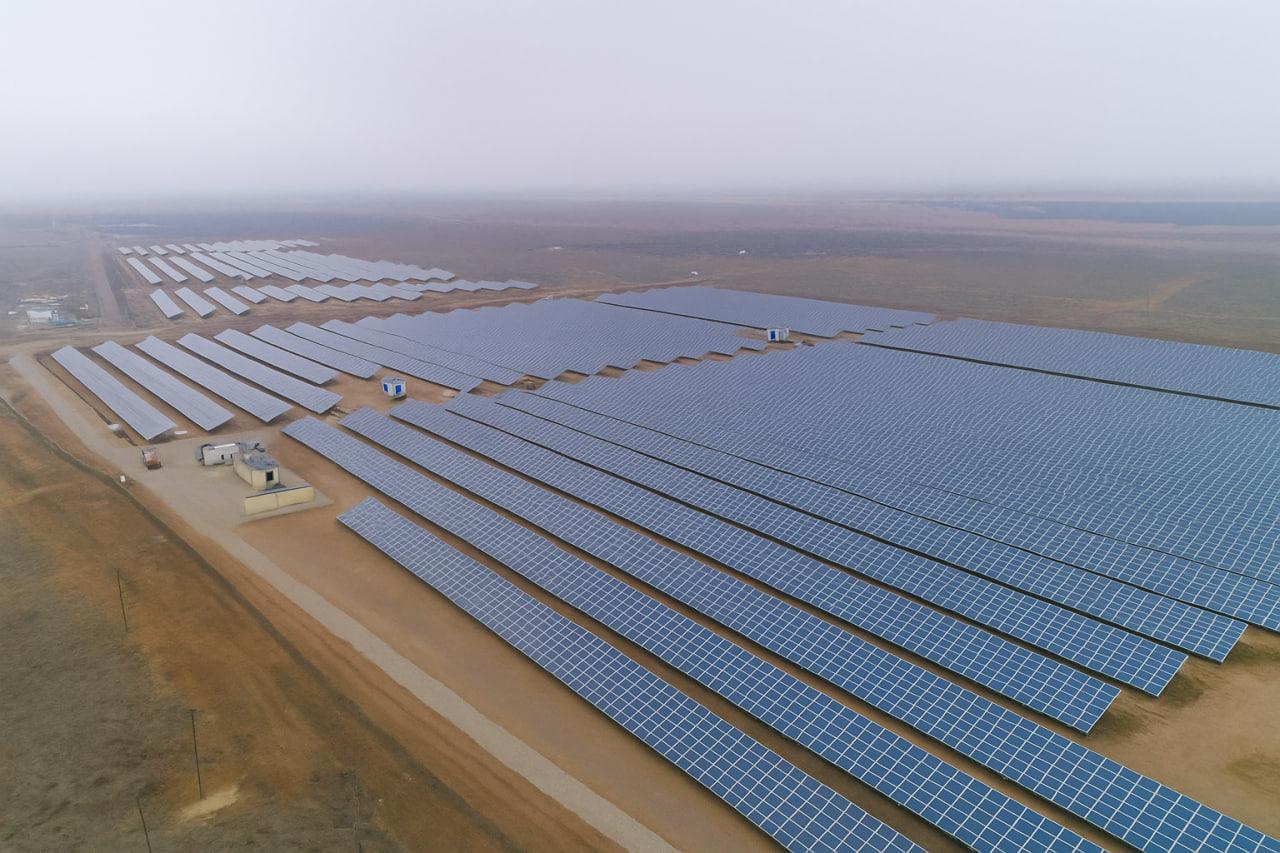

Hybrid solar power plant with batteries, 5 MW capacity — an investment asset for 20+ years
This hybrid solar power plant with an energy storage system (BESS) of 5 MW is a high-performance investment tool that gives private and corporate investors the ability to obtain a stable income over 20 years and more. Thanks to the ability to integrate with various market mechanisms for selling electricity (the day-ahead market, bilateral contracts, the balancing market), such a plant ensures optimal profitability and flexibility.
This plant differs significantly from commercial and residential installations thanks to its scale and its ability to generate a large volume of energy, which makes it possible to operate at the national level. In addition, the ability to scale capacity, as well as integration with a BESS, makes it possible to increase the plant’s profitability while maintaining generation stability. A hybrid 5 MW solar power plant is a reliable investment asset that guarantees long-term benefits.
Key advantages for large businesses
- Passive income for 20+ years
Stable profit from selling electricity at favourable tariffs. - Cash-flow predictability
Predictability of financial results thanks to continuous generation and sale of electricity. - Controlled costs
Clear and transparent construction (CAPEX) and operating (OPEX) costs. - Construction speed
A minimal project implementation period from design to commissioning. - Project scalability
The ability to expand capacity from 5 MW to 10 MW and beyond. - BESS integration
Increased profitability thanks to storing energy and selling it during peak hours. - Ability to reconstruct the electrical infrastructure
Our solutions include the reconstruction of MSBs, ORUs, switchgears and PTS to ensure the optimal operation of the solar plant. - Legal cleanliness and technical support
Compliance with NEURC, ISO and DSTU standards and the provision of full legal and technical support. - SCADA and real-time monitoring
The ability to control the plant through a SCADA system. - High equipment lifespan
The use of equipment from world leaders in the industry. - Ability to sell on the balancing market
Risk minimization thanks to reliable components and clear guarantees.
Price and CAPEX
The approximate construction cost of a hybrid solar power plant of 1 MW or more is from UAH 15,000 to 20,000 per kW, depending on the configuration:
- Inverters (Deye, Huawei, Solis)
- BESS (CATL, BYD, Sungrow)
- Structure type
- PTS/DS/transformer
- Level of automation and SCADA
- Connection complexity (technical specifications)
Payback and income forecast
The return on investment is calculated individually. For plants of 5 MW or more it usually amounts to 4–6 years, depending on the electricity sales model, the cost structure and the plant configuration (with or without a BESS).
Design, technical specifications and permitting documentation
- Consumption audit – analysis of the enterprise’s energy consumption to determine the optimal solar plant capacity.
- Concept development – creation of a project taking into account all technical, legal and financial aspects.
- Geodesy and geology – analysis of the site conditions for solar plant design.
- Obtaining technical specifications – development of technical specifications for connection to the grid.
- Working documentation – design and coordination of all technical parameters.
- Expert review and approval – coordination of the project with the authorities and the System Operator.
PTS, DS, switchgear, high-voltage section
Design of the PTS, DS, switchgear and high-voltage cable lines.
BESS (energy storage)
A BESS (energy storage system) makes it possible to:
- Increase profitability – by storing energy and selling it during peak hours.
- Ensure power-system balance – by working with imbalances in the grid.
- Increase production stability – the ability to store energy during times of low demand and sell it at a higher price during peak hours.
- Flexibility in selling – the ability to operate on different electricity markets.
Electrical installation works and EPC
A comprehensive EPC approach includes:
- Installation of structures
Mounting of solar panels and their fixtures./li> - Cable routes
Installation of cables for electricity transmission. - Inverter systems
Connection of inverters to convert direct current into alternating current. - PTS/DS substations
Installation of transformer substations to feed energy into the grid. - BESS integration
Integration of energy storage systems to improve profitability. - Commissioning works
Commissioning and start-up works. - Commissioning
completion of installation and commissioning of the plant.
Plant technical specifications
| Plant capacity: | 5 MW |
| System type: | Grid-tied with BESS |
| Inverter: | Deye, Huawei, Solis |
| Modules: | high-efficiency monocrystalline panels |
| BESS | Capacity 1 MWh, battery type CATL, BYD, Sungrow |
| PTS/DS | transformers, protection, automation |
| Dispatching and monitoring: | Yes |
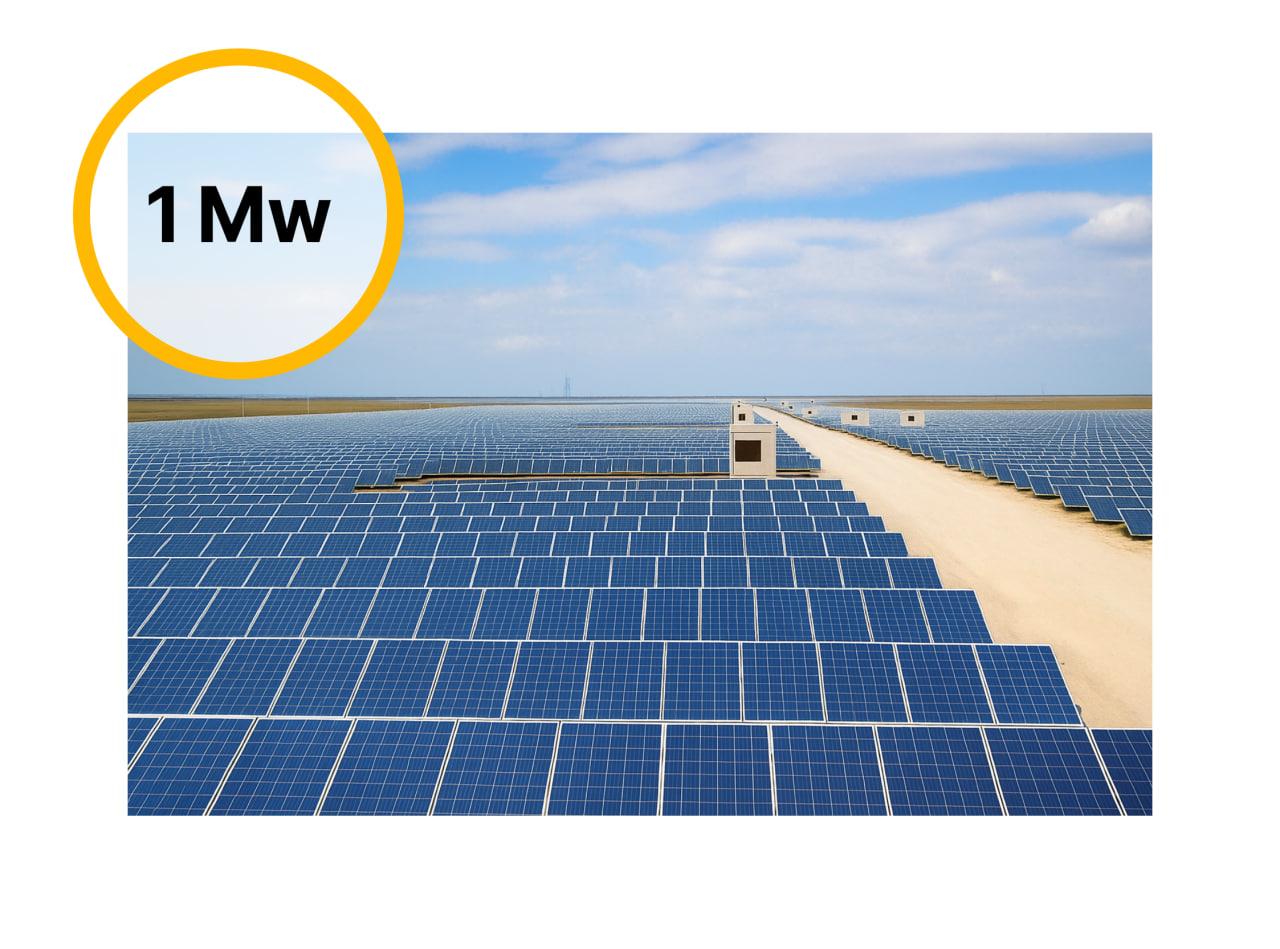
Hybrid solar power plant with batteries, 1 MW capacity:
FREQUENTLY ASKED QUESTIONS
It depends on the plant capacity and the investment format. Usually the starting amount is from EUR 100,000 for small projects (1 MW) and higher for large-scale plants.
The profitability of projects depends on the construction cost, electricity tariffs and connection conditions. On average, investors count on 16–18% per annum in foreign currency.
The typical project implementation period is 5–8 months: from site selection and obtaining permits to commissioning the plant.
- Solar panels – up to 25 years of performance warranty.
- Inverters – 5–10 years (with the option to extend).
- Monitoring systems and storage units – usually 5–7 years.
Income is generated from:
- selling electricity on the market (balancing, bilateral contracts, auctions),
- savings on own consumption (for corporate clients),
- participation in “green” generation programmes in the EU (in the future – cross-border PPA).
The main risks:
- regulatory changes on the electricity market,
- technical equipment failures,
- weather fluctuations (solar activity).
Yes. We offer various models: joint investment, phased financing, raising credit funds secured against future income.
- joint investment,
- phased financing,
- raising credit funds secured against future income.
Ukraine has renewable energy support programmes and the possibility of obtaining grants from international donors and financial institutions (EBRD, USAID, Horizon Europe).
We take on full technical and legal support: 24/7 monitoring, repair, maintenance, accounting, reporting.
Yes. All legal procedures can be arranged without the mandatory presence of the investor in Ukraine – through a power of attorney and electronic document management.
Other solar plants