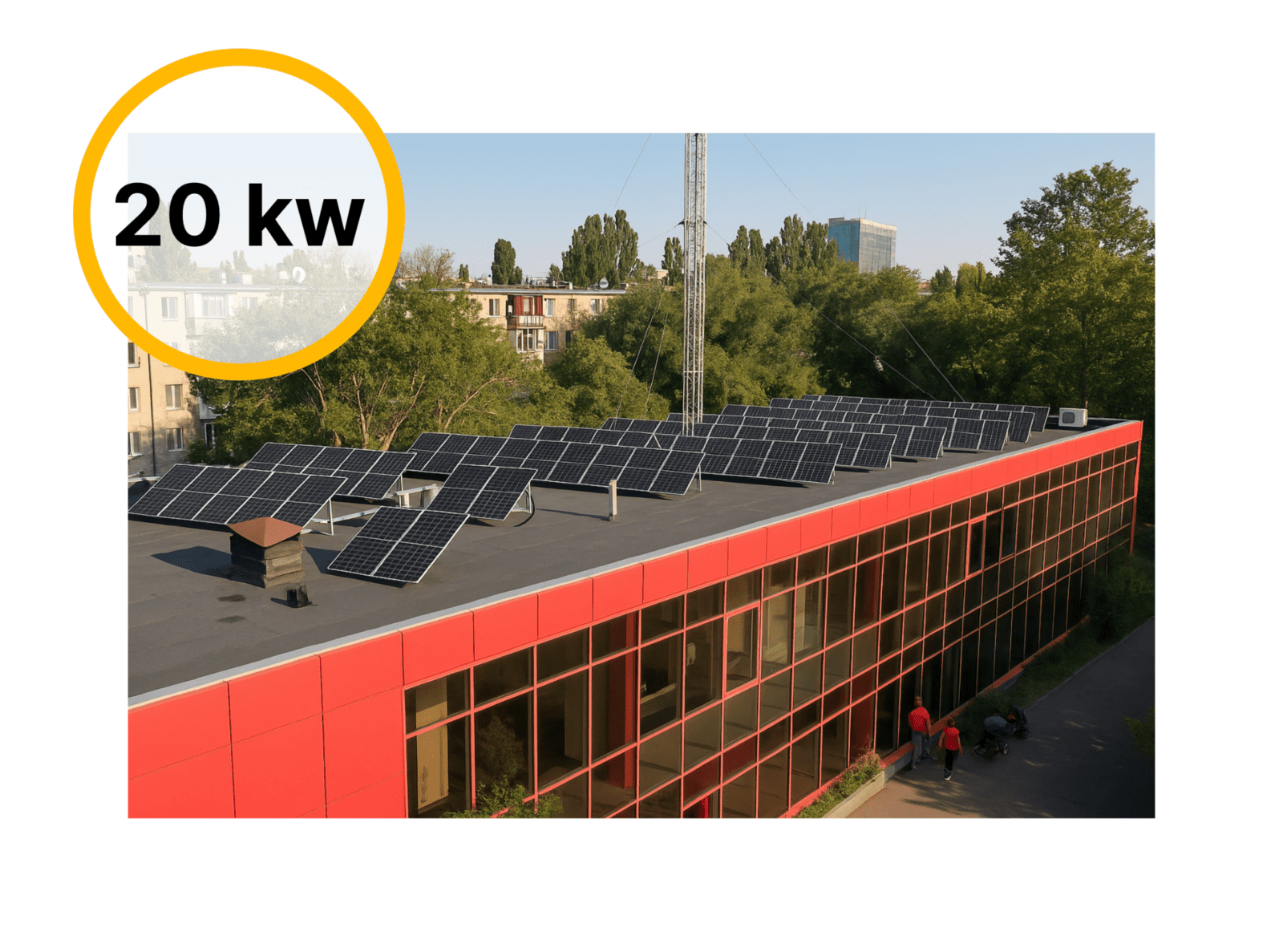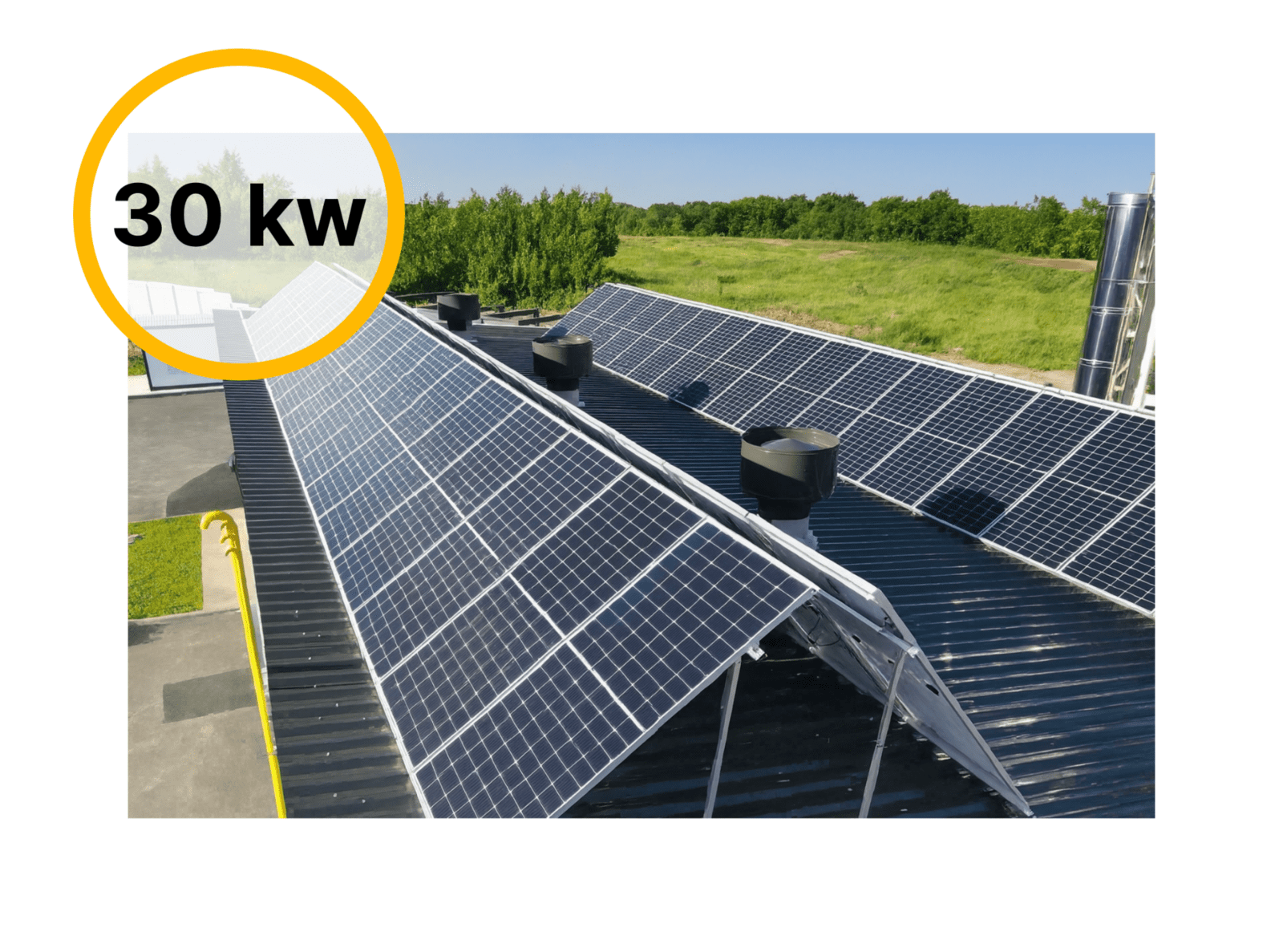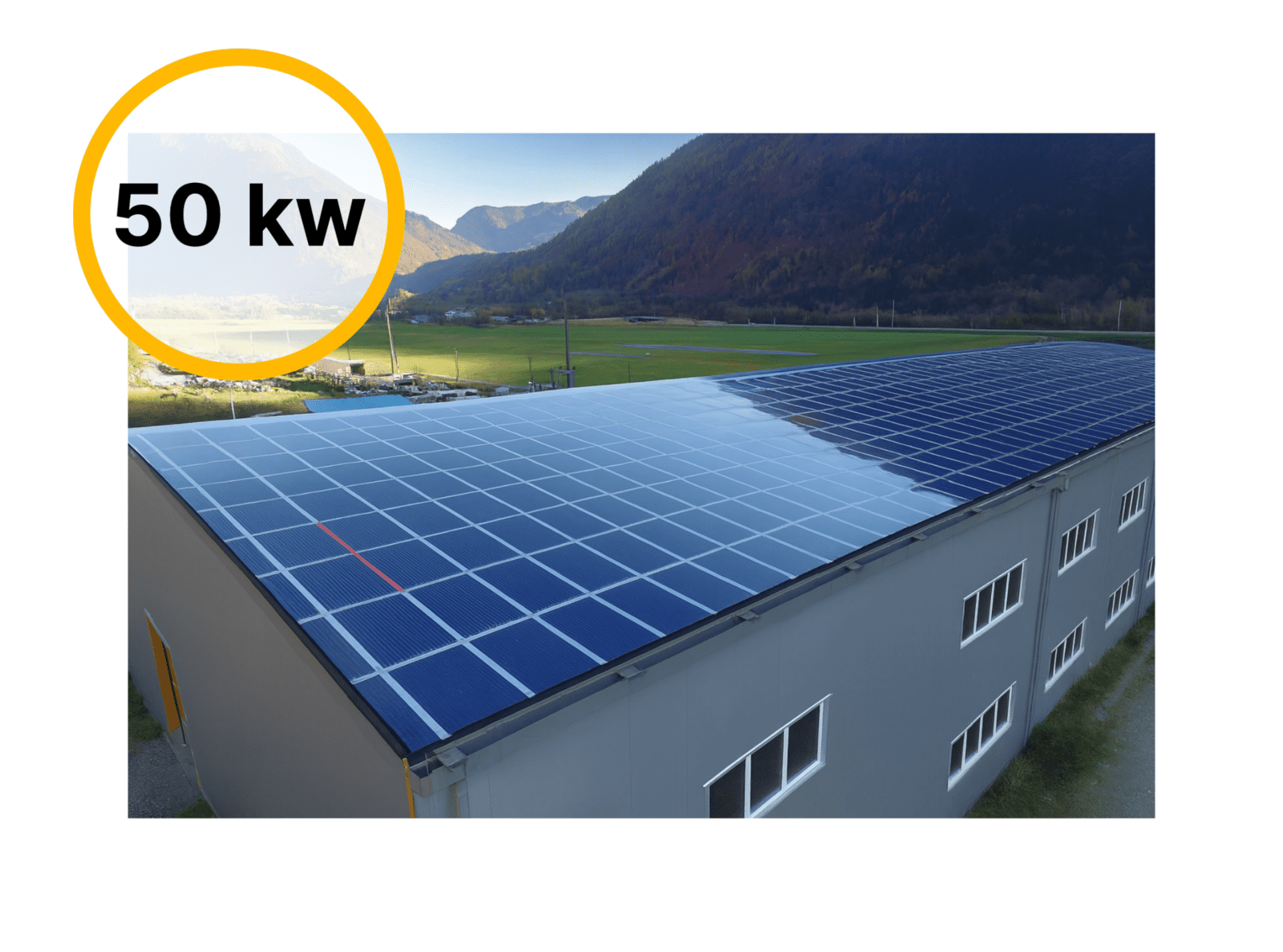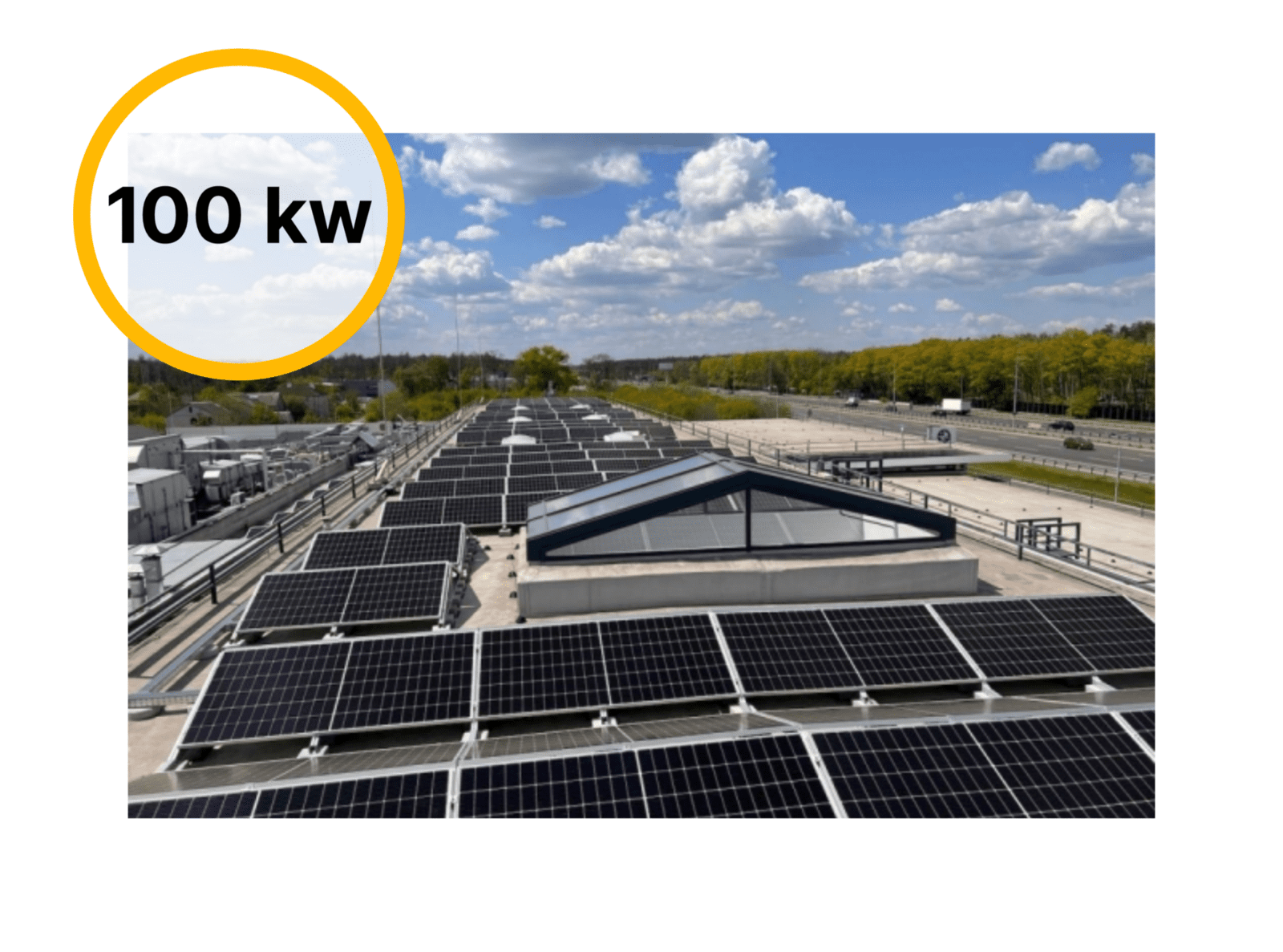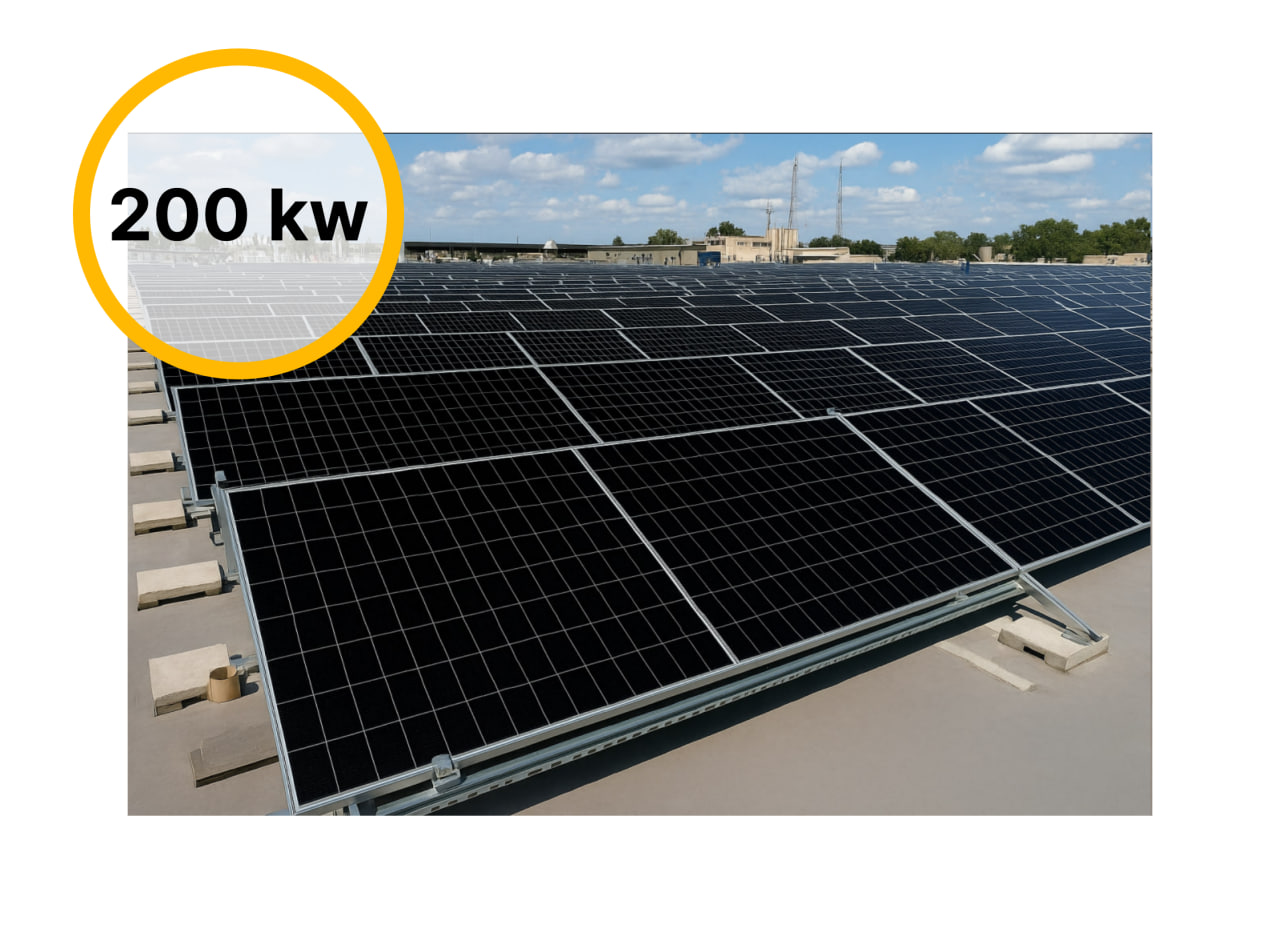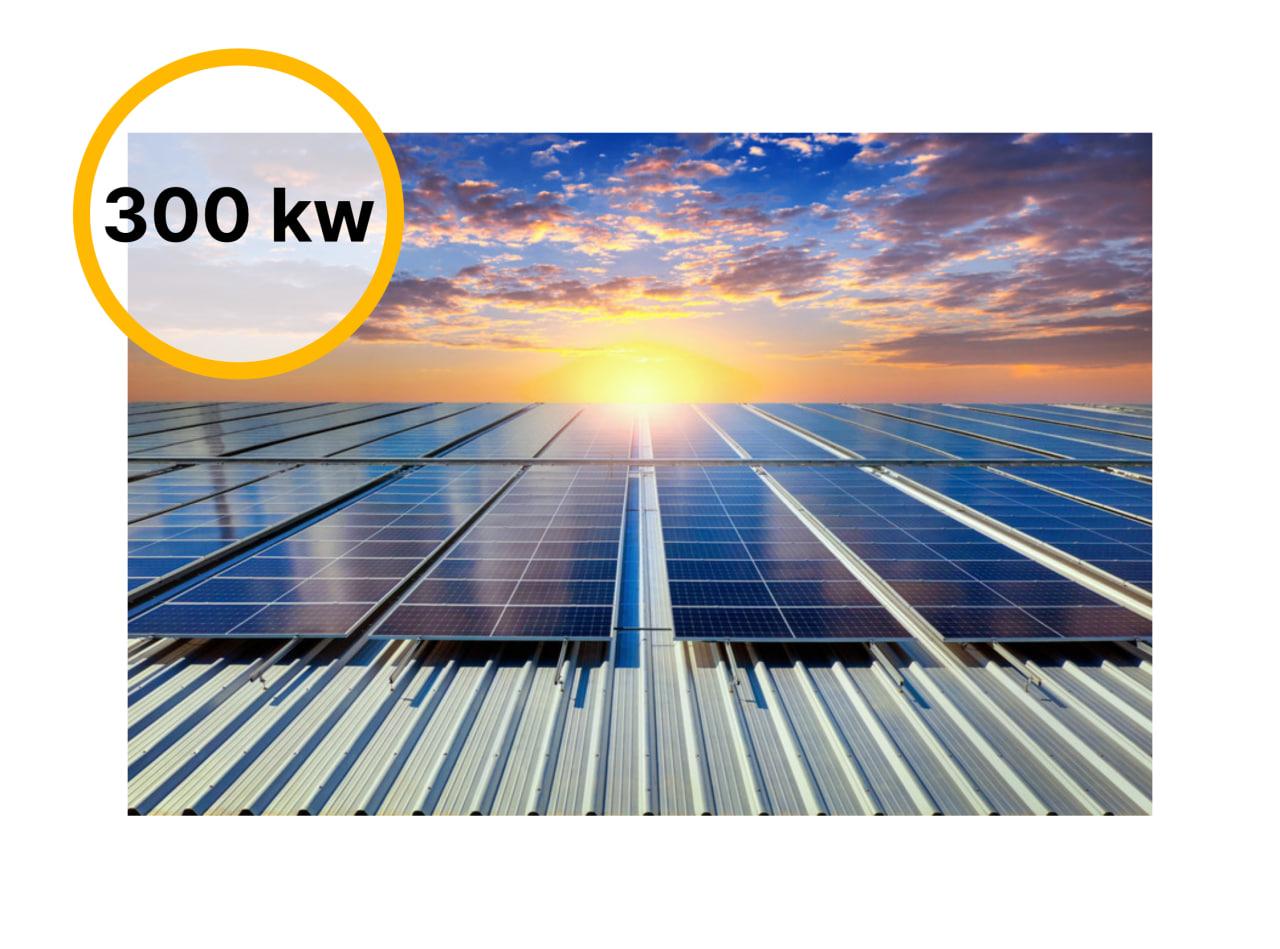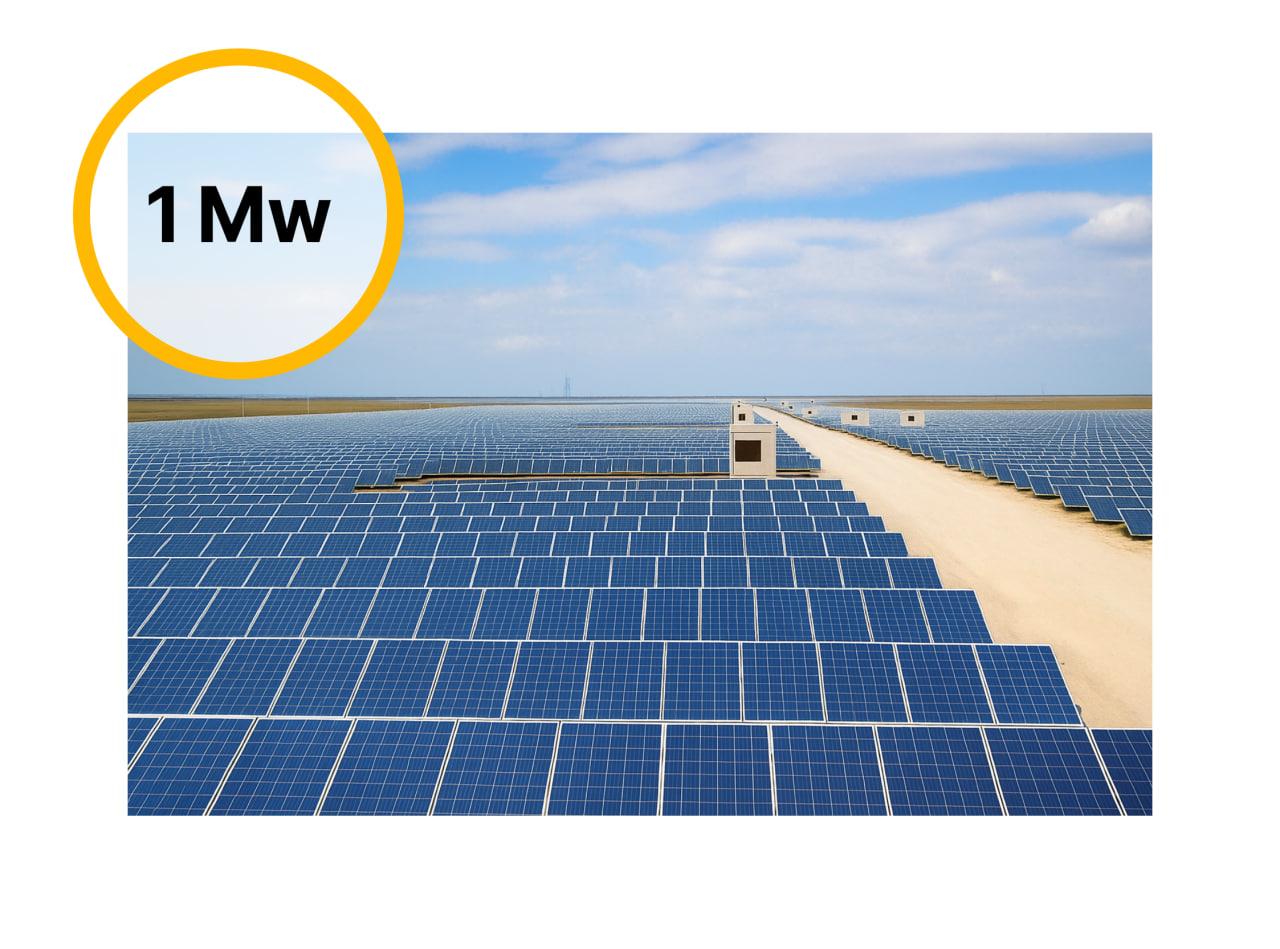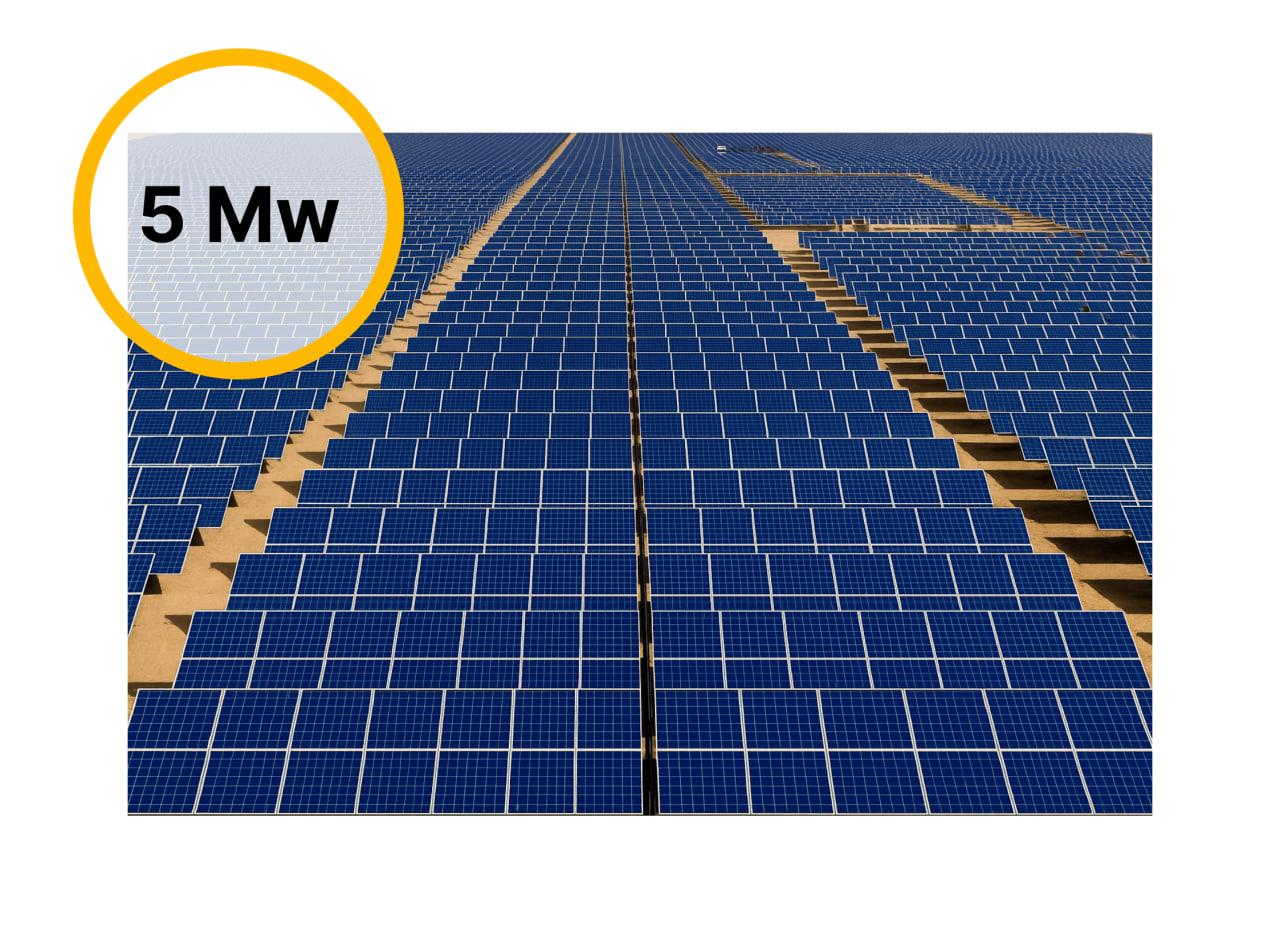
Hybrid solar power plant with batteries, 500 kW capacity
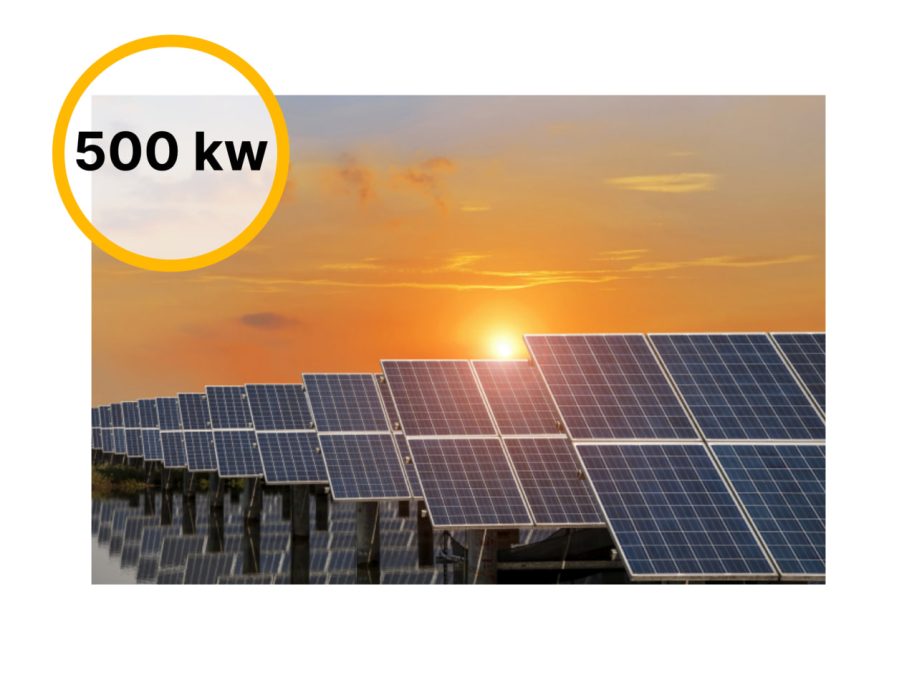
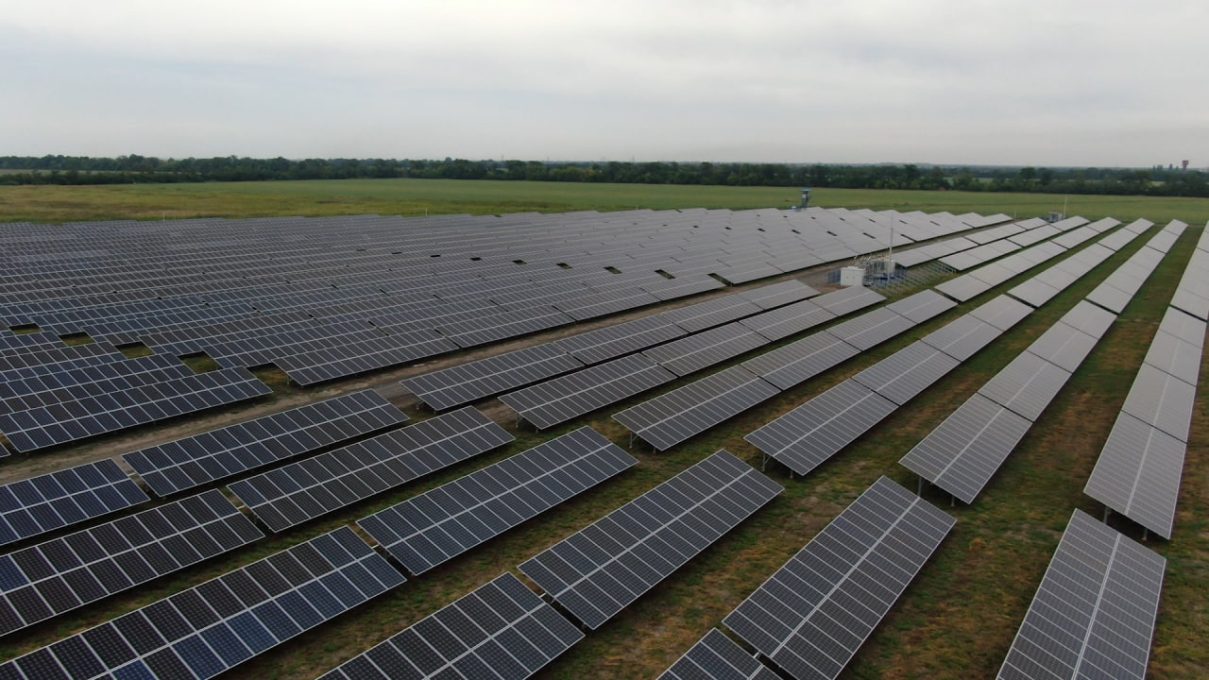
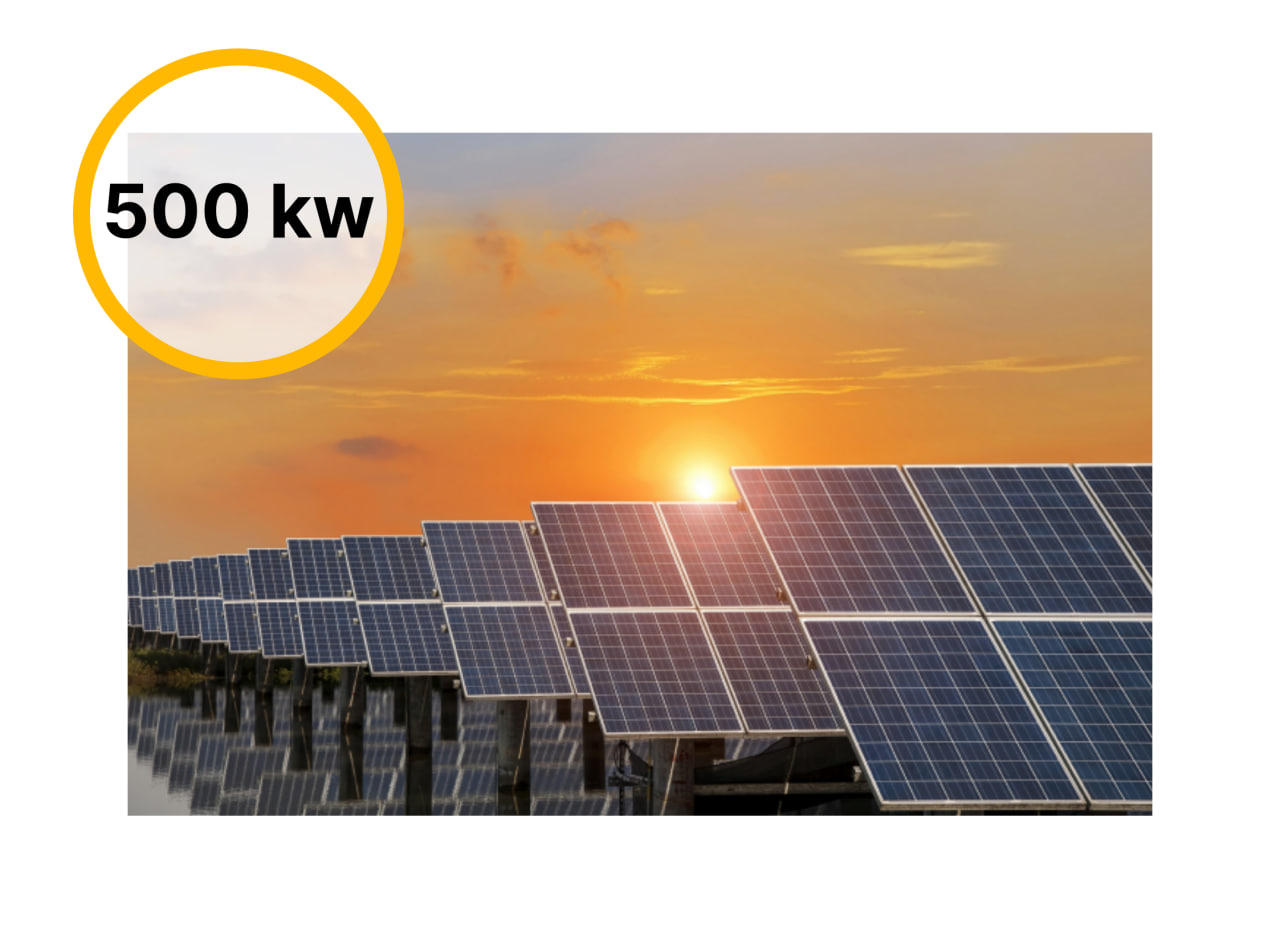
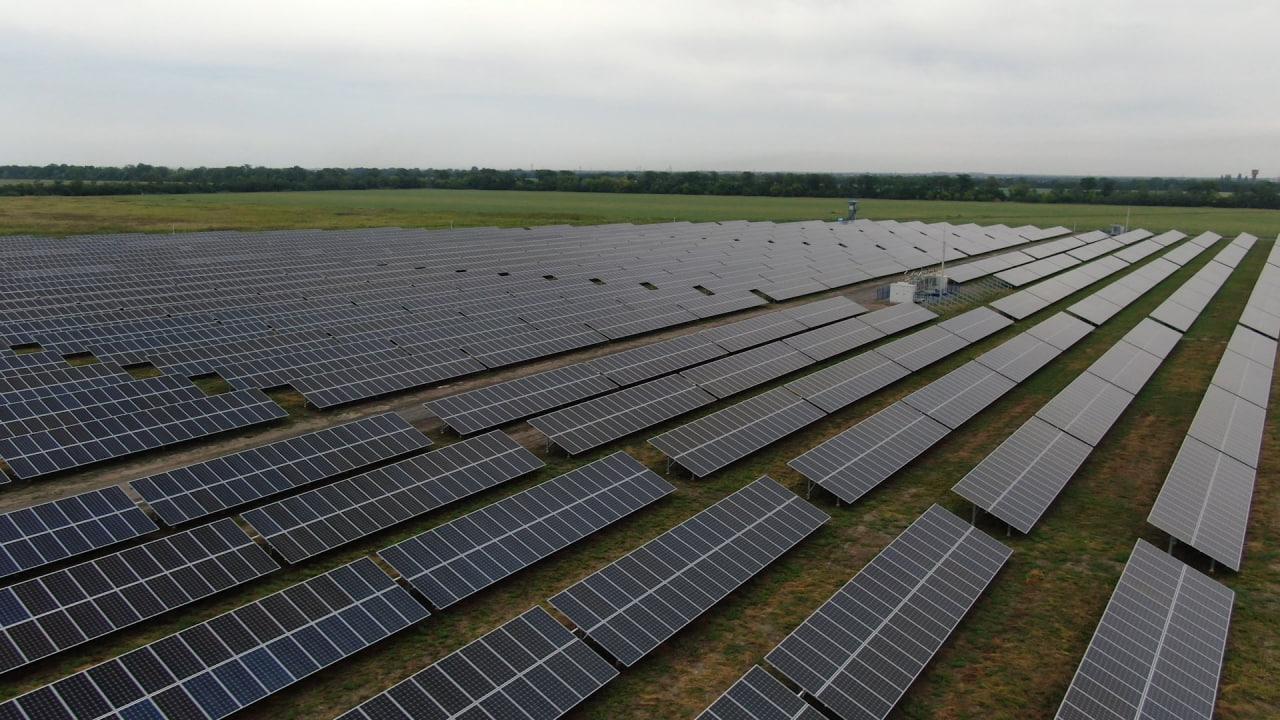

Hybrid solar power plant with batteries, 500 kW capacity
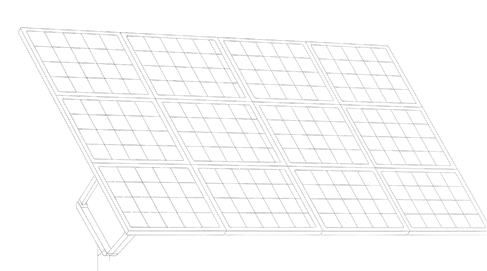
A 500 kW hybrid solar power plant with batteries is an innovative solution for large enterprises that combines solar energy with battery backup power. Such a system not only reduces energy costs, but also ensures independence from external energy sources, which is important for the uninterrupted operation of production.
This is the optimal choice for large agricultural holdings, enterprises, warehouse and logistics complexes, and commercial sites where the stability and reliability of energy supply are critically important. Comprehensive design and full engineering guarantee proper integration of the system into the existing infrastructure, taking into account the specifics of the business and the requirements of the law.
Key benefits for large businesses
- Lower production costs Solar energy allows enterprises to reduce energy costs and to replace part of the energy drawn from the grid.
- Stable energy consumption
The risk of electricity supply interruptions is reduced, which is especially important for large production facilities. - Compliance with energy-efficiency requirements
Large solar plants help enterprises meet energy-efficiency and environmental-responsibility requirements. - Ability to obtain grid-connection terms for increased capacity The plant can be easily expanded if the business needs more energy in the future.
- Warranties and certified equipment Solar inverters and batteries are certified, which guarantees their reliability and efficiency.
- Scalability
The system can be scaled from 500 kW to 1 MW and more, which provides flexibility for expanding energy capacity. - Ability to reconstruct the electrical infrastructureOur solutions include reconstruction of the main switchboard, switchgear, distribution boards and packaged transformer substations to ensure optimal operation of the solar plant.
- Work with leading inverter brands The projects use inverters from brands such as Deye, Huawei, Fronius, SolarEdge and others, which guarantees high efficiency and reliability.
- Short implementation timelines Project implementation usually takes from 3 to 6 months, which minimizes the time for installation and commissioning.
Price
The price is formed depending on:
- the choice of inverters (Deye, Huawei, Fronius, Solis, FOX, Solax, Victron, Must, SolarEdge, Growatt, Kaco, Axioma)
- the type of installation (roof/ground)
- the need to reconstruct the electrical switchboard equipment
- the class of the cable infrastructure
- the complexity of approvals with the regional power utility
Payback and economic effect
The payback is calculated individually. For industrial facilities it is usually from 4 to 6 years, depending on the tariffs, the consumption profile and the capacity of the solar plant.
Design, grid-connection terms and permit documentation
- Consumption audit – analysis of the enterprise’s energy consumption to determine the optimal capacity of the solar plant.
- Development of the technical solution – engineering design and selection of equipment in accordance with the customer’s specifications.
- Obtaining grid-connection terms from the distribution system operator – approval of the technical conditions for connecting the solar plant to the electrical grid.
- Approval of the connection scheme – preparation and approval of the connection scheme with the regional power utility.
- Substation passport, geodesy, expert review – ensuring that all work complies with current standards and regulations.
- Author’s and technical supervision – control over project implementation at all stages.
Electrical installation and equipment reconstruction
- Reconstruction of the main switchboard, switchgear, distribution boards, packaged transformer substations – preparation and upgrade of existing electrical equipment for connection to the solar plant.
- Laying of cable routes – installation of cable infrastructure for transmitting electrical energy.
- Installation of inverter systems – installation of inverters to convert solar energy into electricity.
- Installation of structures and modules – installation of solar panels and their mounting.
- Commissioning works and putting into operation – commissioning works and launching the plant into operation.
- Warranty and post-warranty support – provision of warranty support and further service after project completion.
Equipment brands
In addition, we offer a choice of various inverter configurations and equipment from leading brands such as Deye, Solis, FOX, Huawei, Fronius, Solax, Victron, Must, SolarEdge, Growatt, Kaco, Axioma, and solar panels Longi, JaSolar, Jinko, Axioma, Tongwei, TrinaSolar, Canadian, DAH, Risen, which makes it possible to tailor the system to the specific needs of the client.
Technical specifications of the plant
| Plant capacity: | 500 kW |
| System type: | Hybrid (grid-tied + batteries) |
| Inverter: | Deye, Huawei, Fronius, SolarEdge (premium/mid class) |
| Modules: | Polycrystalline/monocrystalline, high efficiency |
| Structure type | Roof/ground |
| Backup power (UPS)/Diesel: | As required |
| Dispatch and monitoring: | Yes |
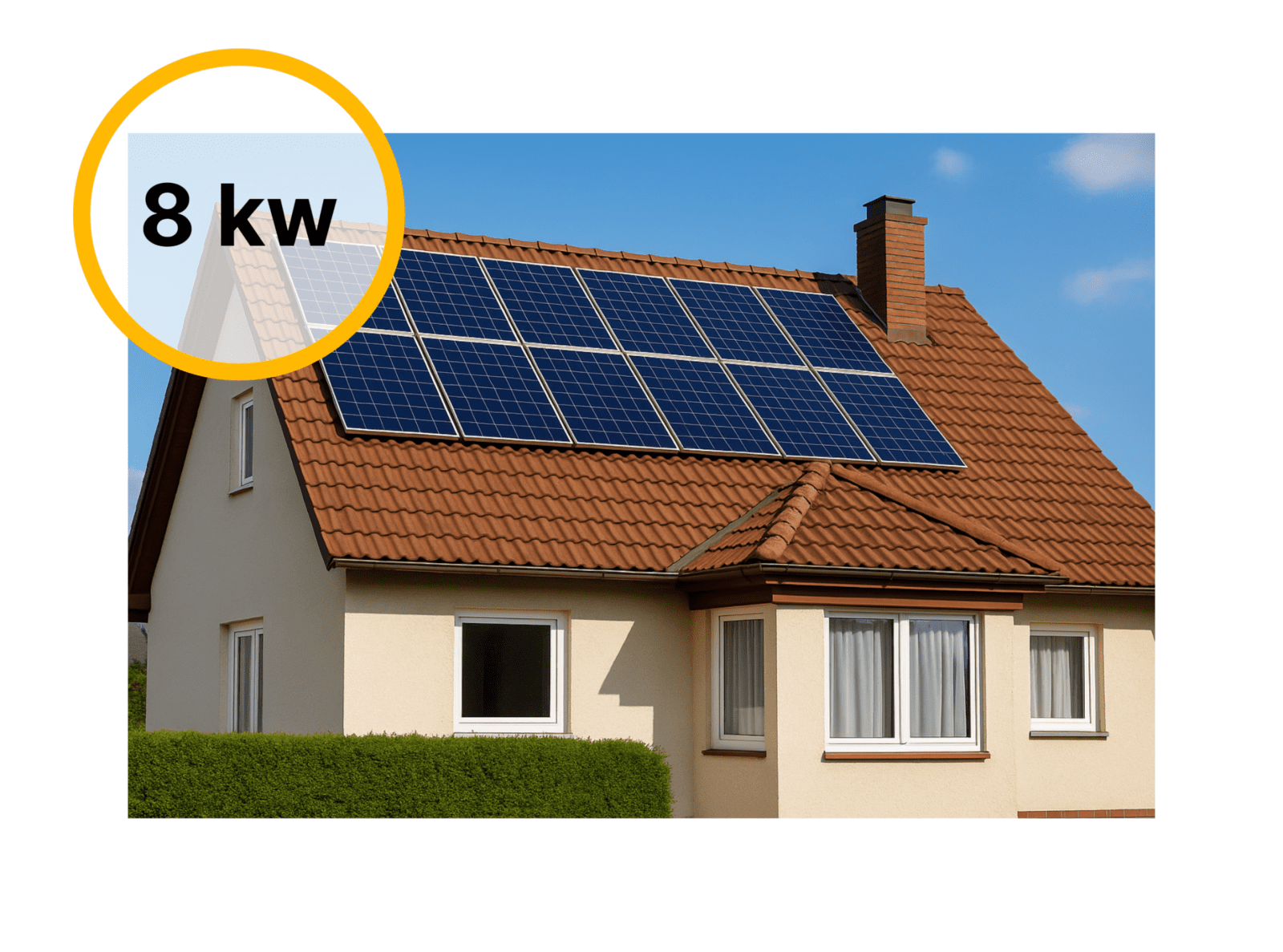
Hybrid solar power plant with batteries, 8 kW capacity:
GET A CONSULTATION
FREQUENTLY ASKED QUESTIONS
It depends on the plant's capacity and the investment format. Typically the starting amount is from EUR 100,000 for small projects (1 MW) and higher for large-scale plants.
Project profitability depends on construction cost, electricity tariffs and grid-connection terms. On average, investors expect 16–18% per annum in foreign currency.
A typical project takes 5–8 months: from selecting the site and obtaining permits to commissioning the plant.
- Solar panels – up to 25 years of performance warranty.
- Inverters – 5–10 years (with the option to extend).
- Monitoring systems and storage – usually 5–7 years.
Income is generated from:
- selling electricity on the market (balancing market, bilateral contracts, auctions),
- savings on own consumption (for corporate clients),
- participation in “green” generation programmes in the EU (in the future – cross-border PPA).
The main risks:
- regulatory changes in the electricity market,
- technical equipment failures,
- weather variability (solar activity).
Yes. We offer various models: joint investment, phased financing, raising borrowed funds against the guarantee of future income.
- joint investment,
- phased financing,
- raising borrowed funds against the guarantee of future income.
Ukraine has renewable energy support programmes and the possibility of obtaining grants from international donors and financial institutions (EBRD, USAID, Horizon Europe).
We take on full technical and legal support: 24/7 monitoring, repair, maintenance, accounting and reporting.
Yes. All legal procedures can be arranged without the mandatory presence of the investor in Ukraine – through a power of attorney and electronic document workflow.
Other solar power plants