
35 kV outdoor distribution device (VRU)
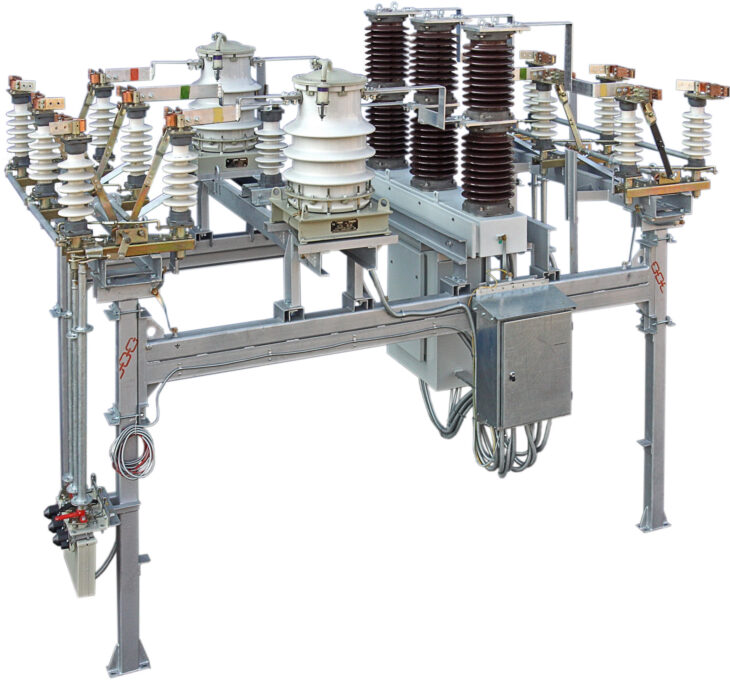
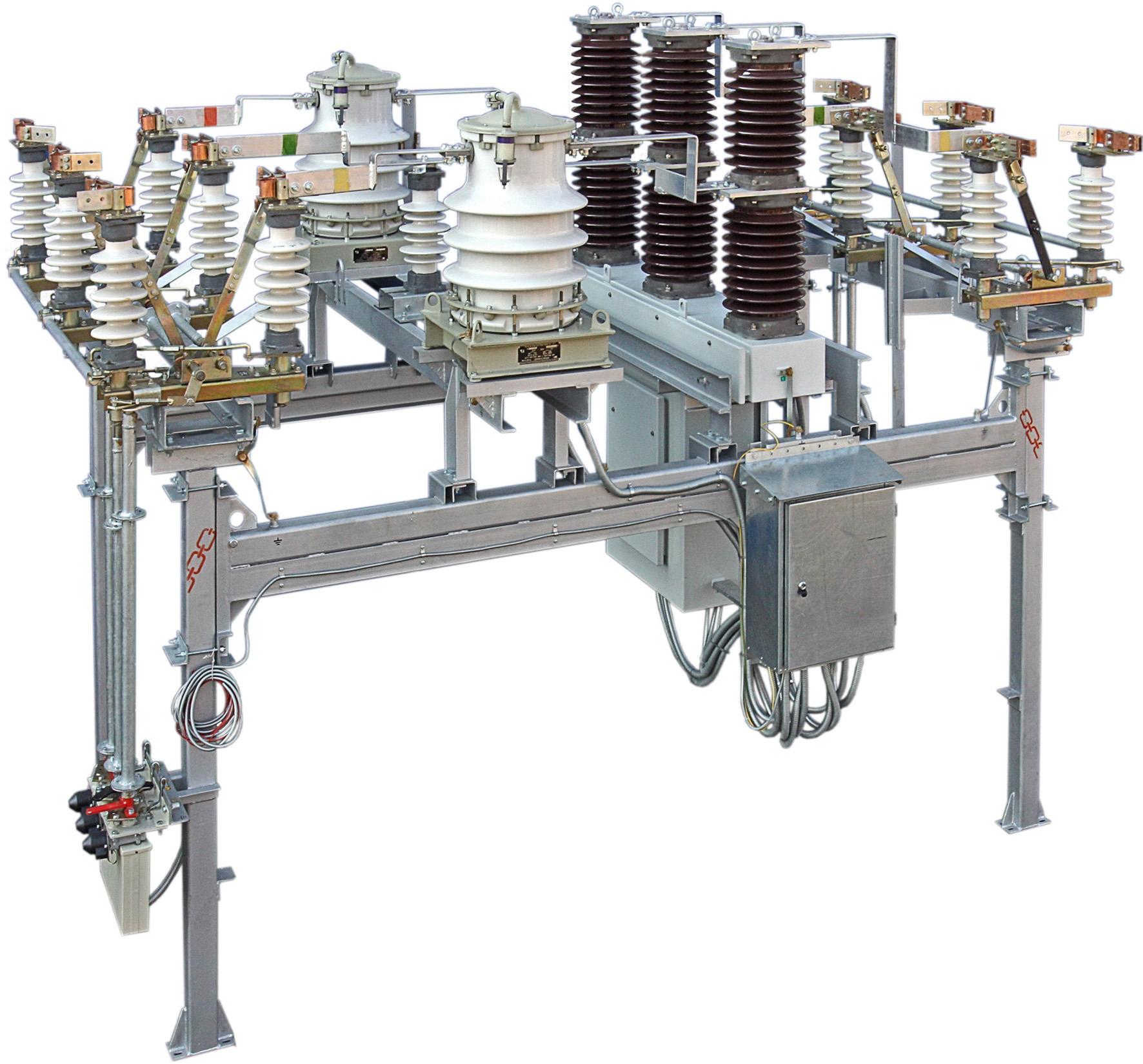

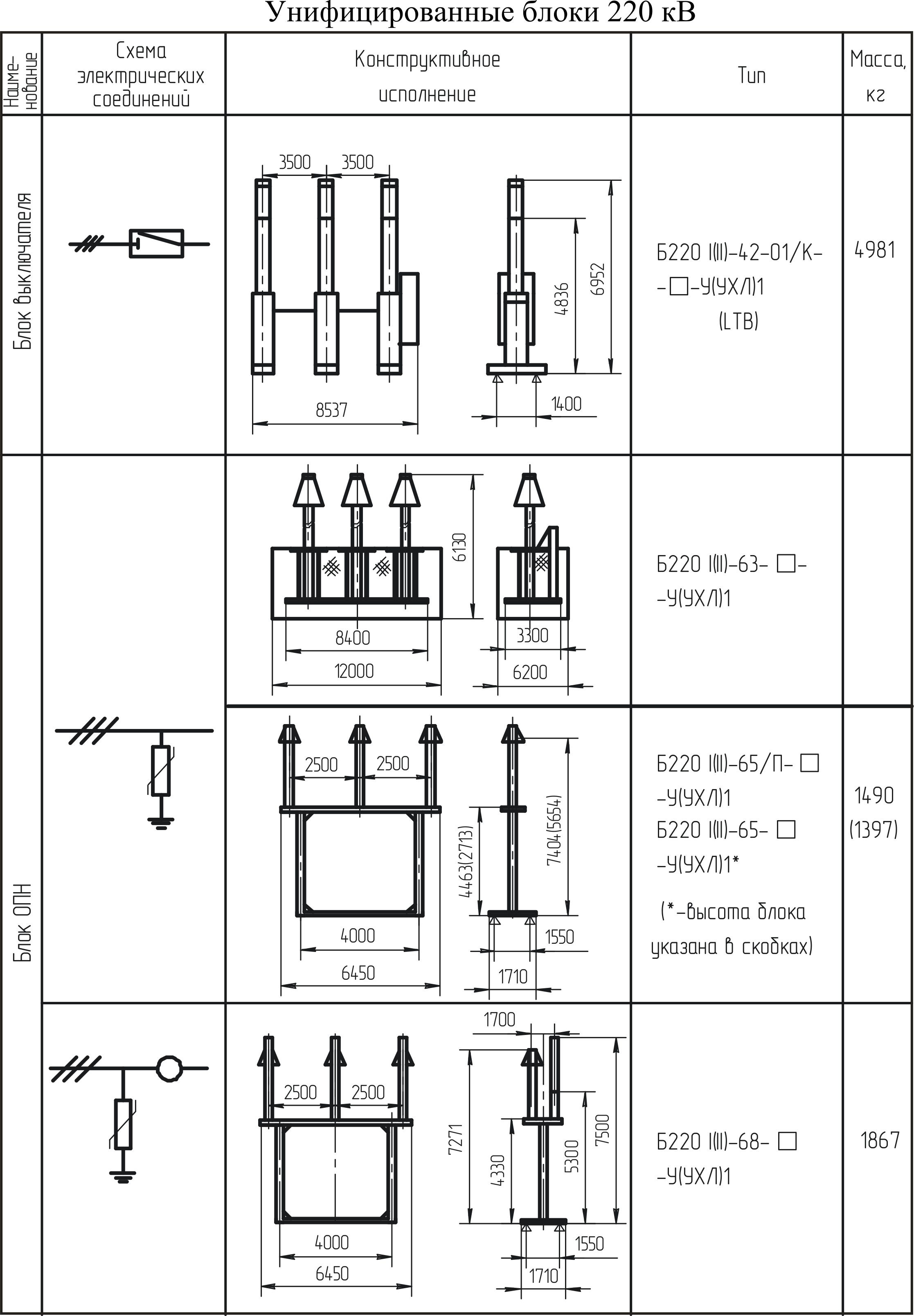
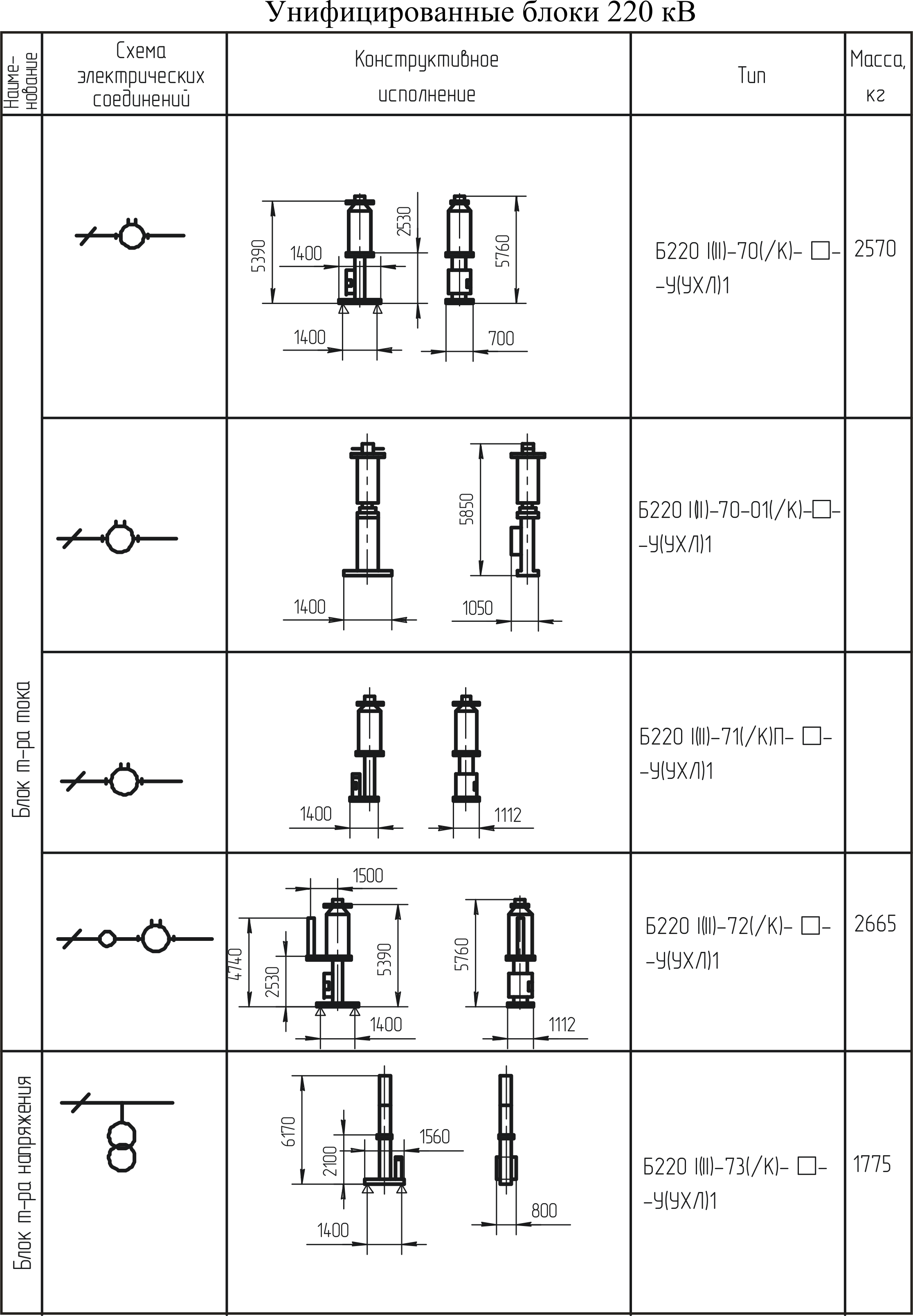
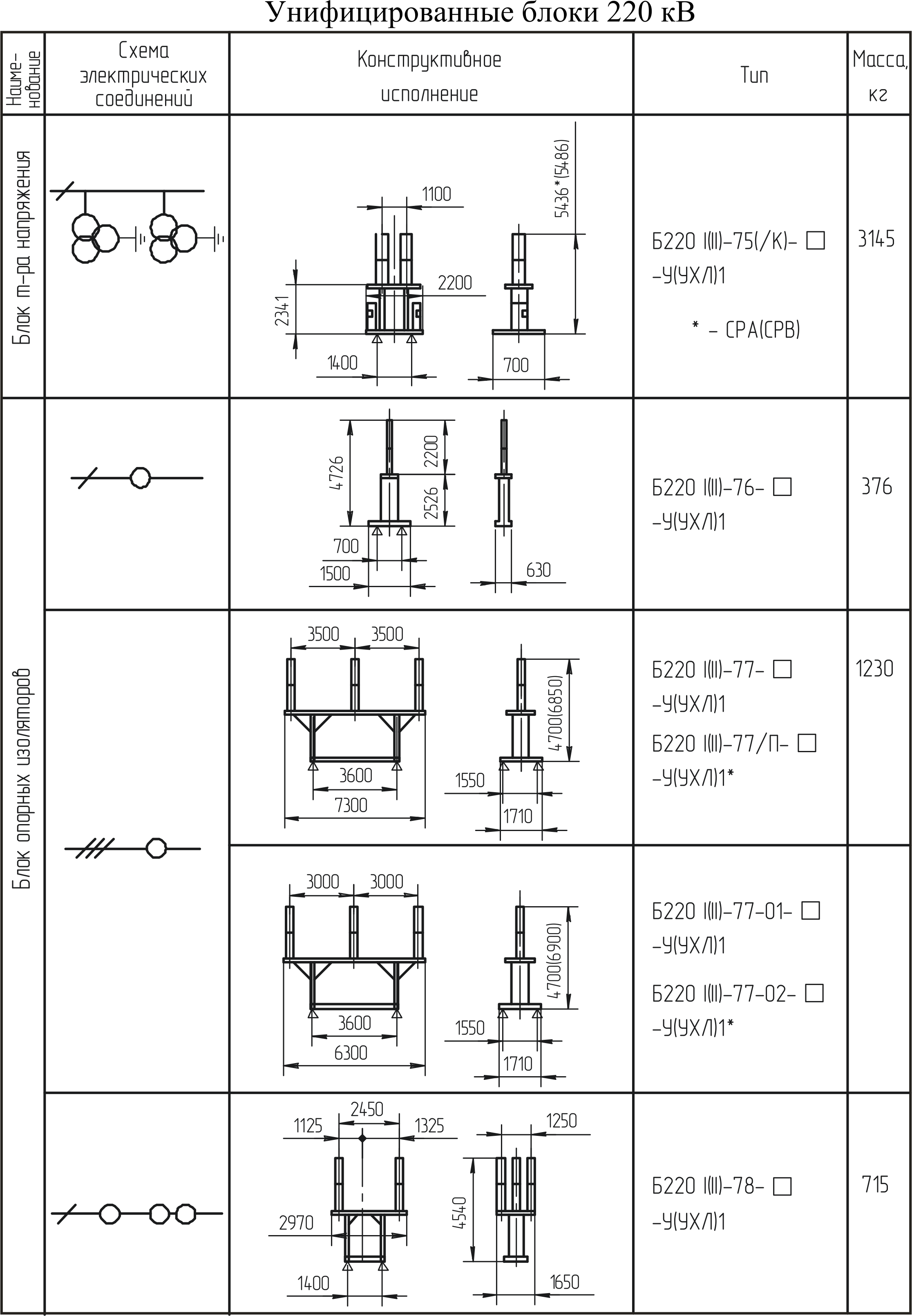
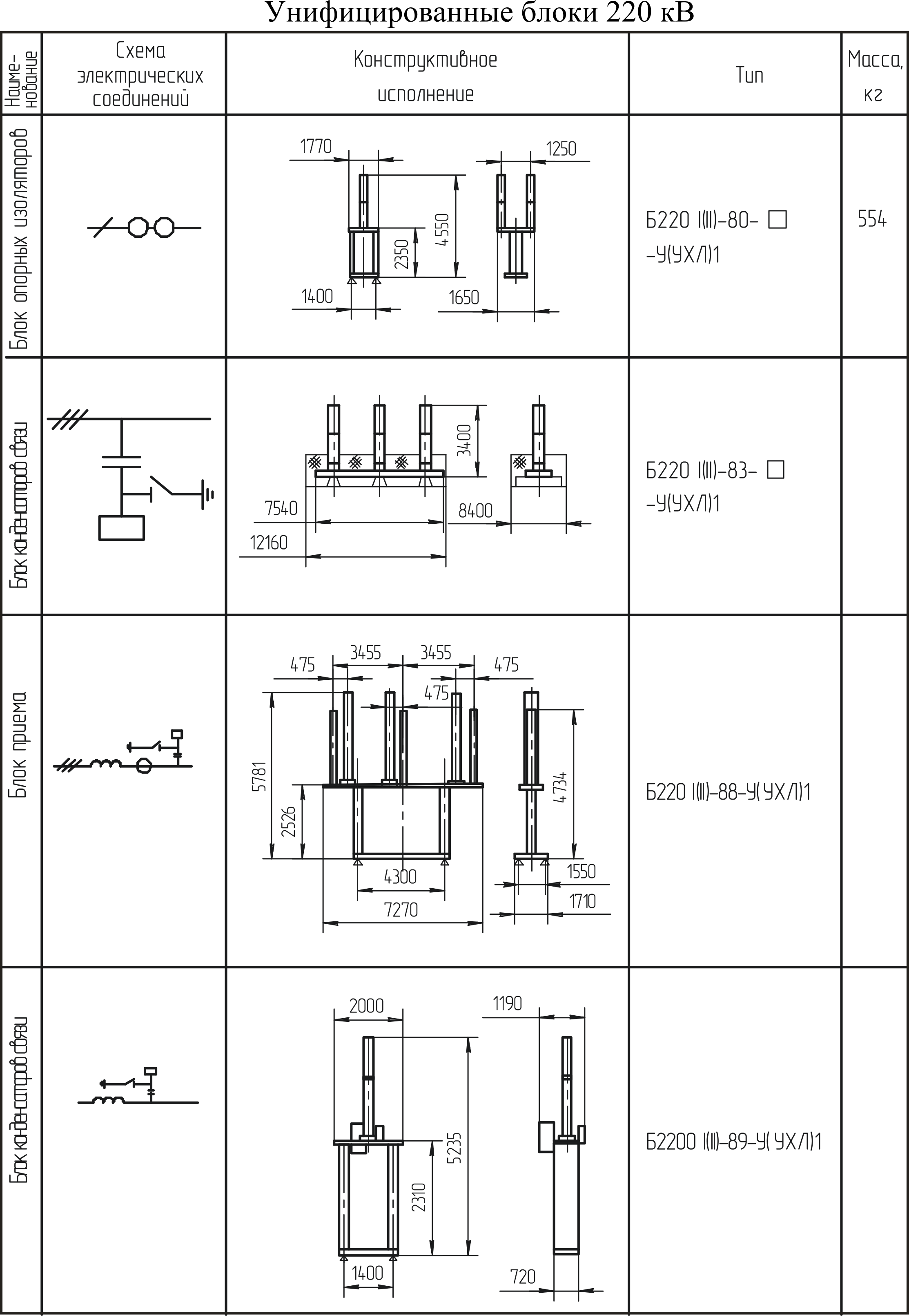
The 35 kV outdoor distribution device consists of the following elements:
- unified blocks;
- rigid and flexible jumpers and taps;
- cable structures.
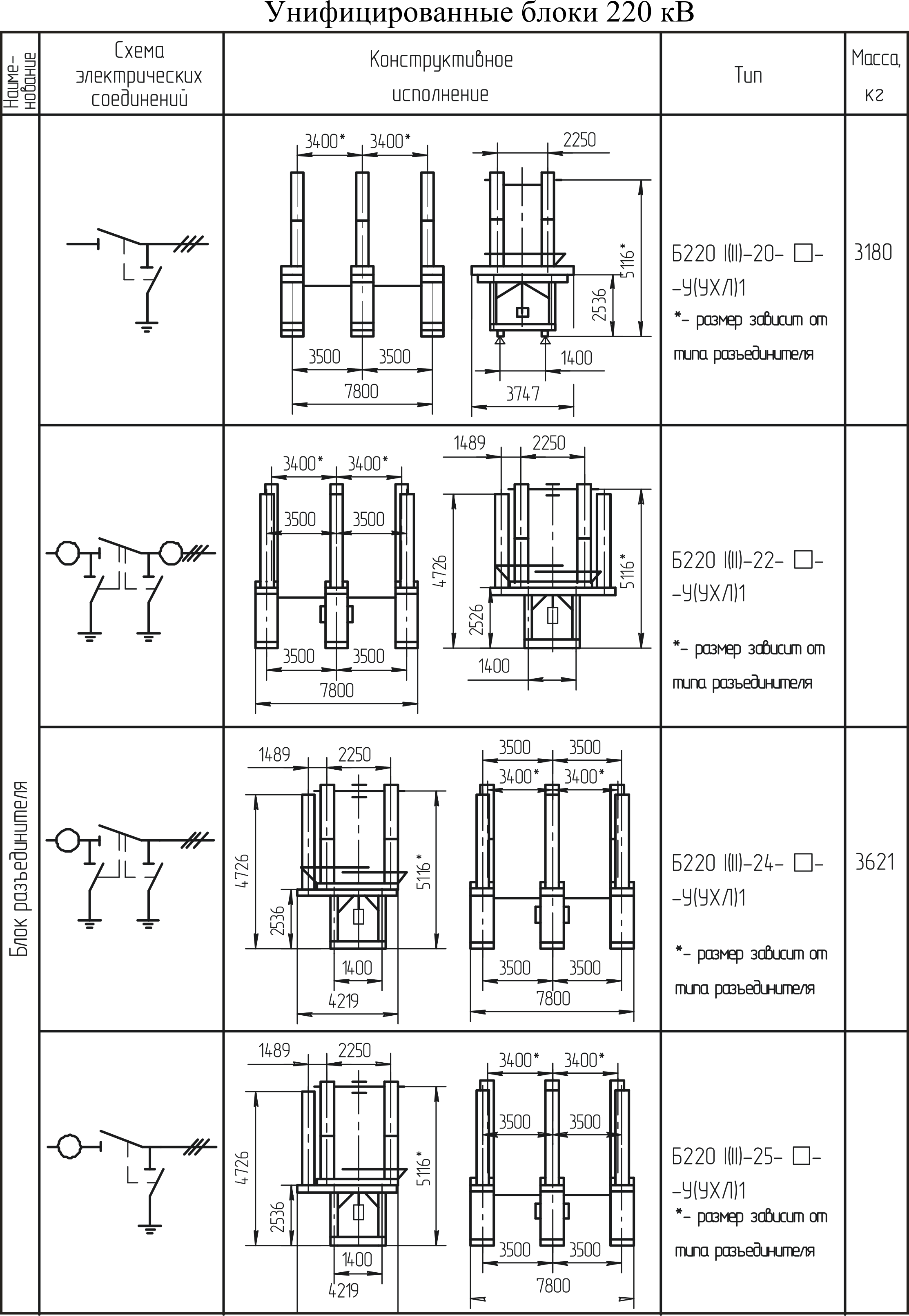
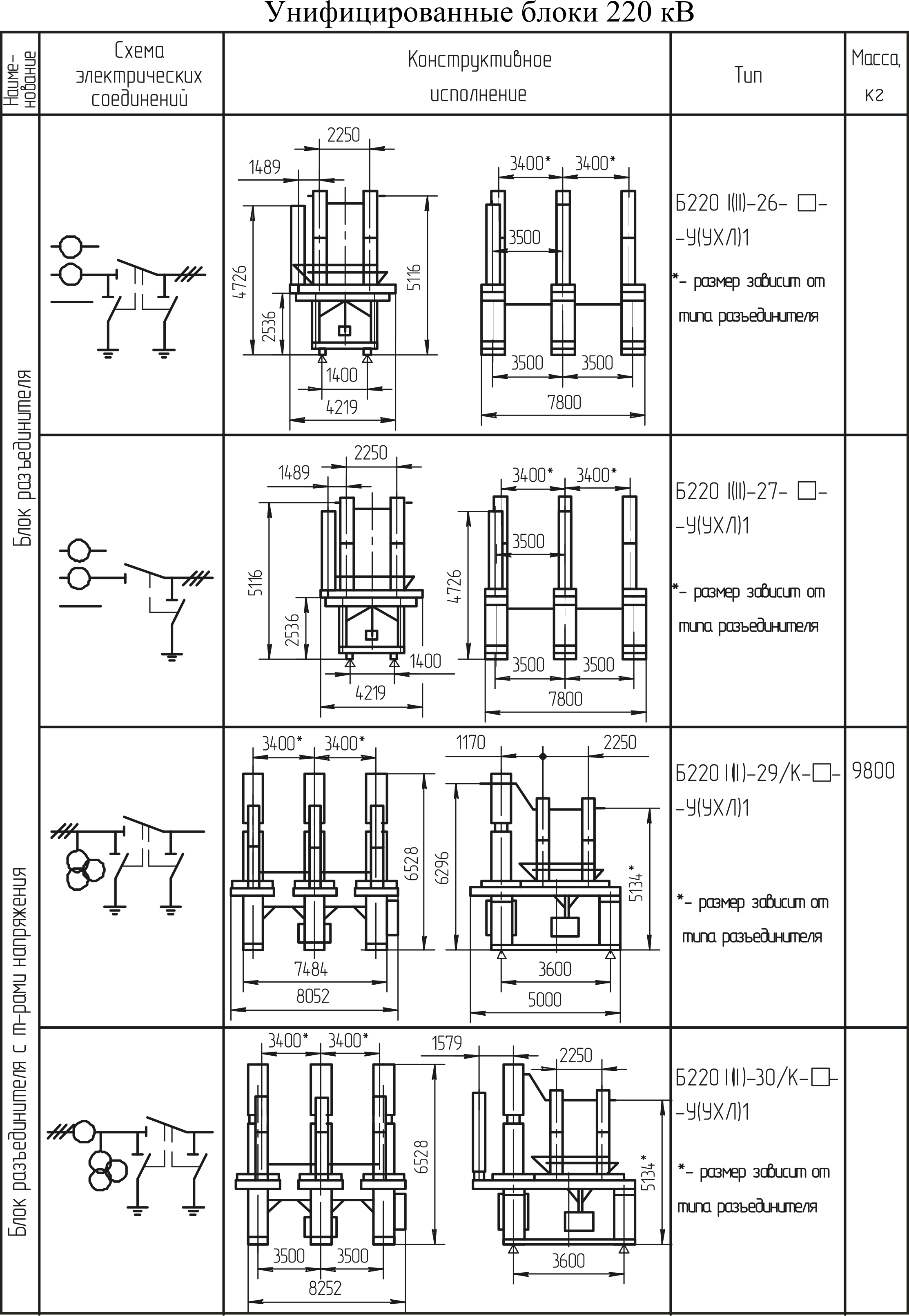
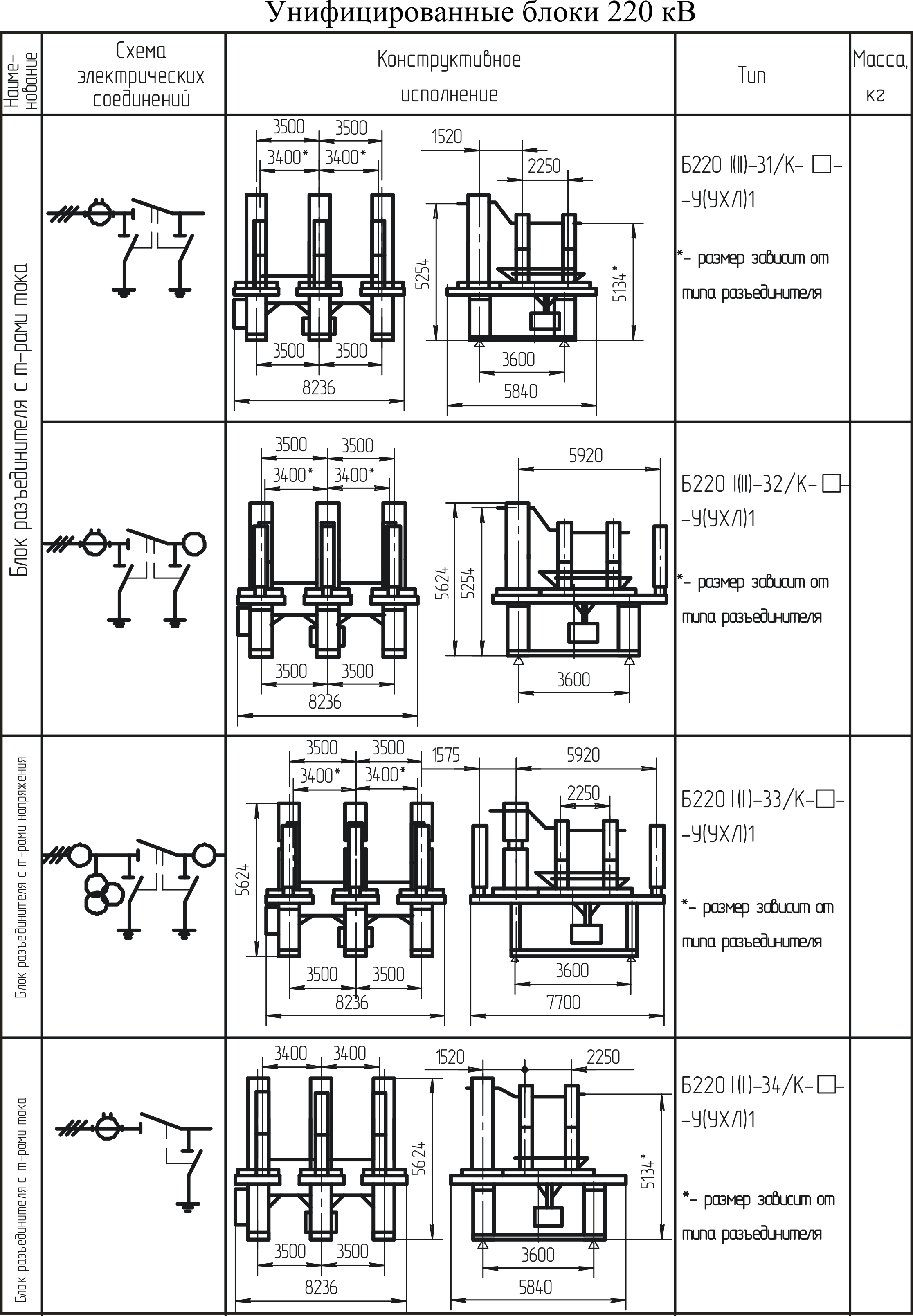
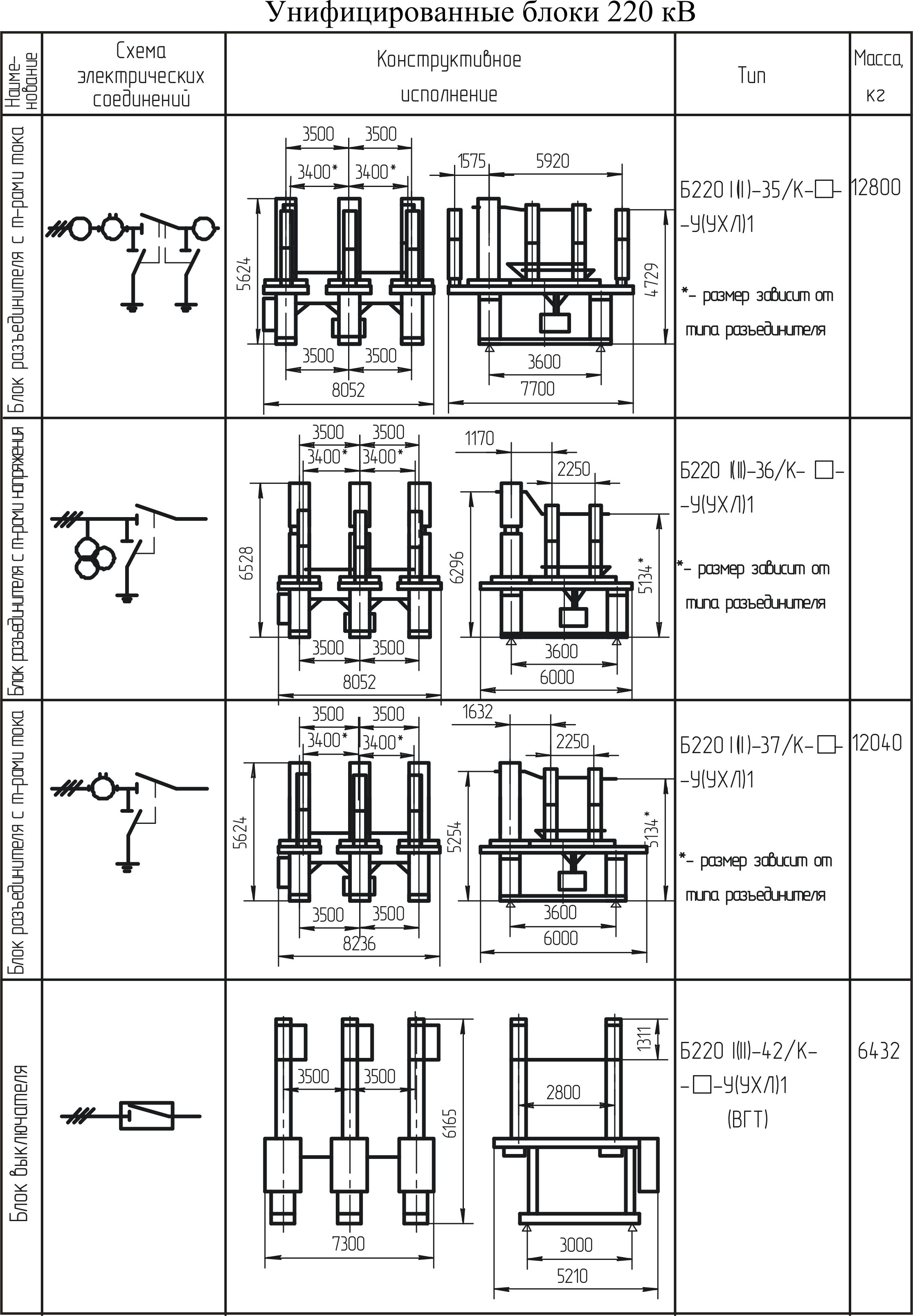
The outdoor distribution device is made of unified transportable factory-made blocks consisting of a metal load-bearing frame with high-voltage equipment and auxiliary circuit elements mounted on it.
Any version of the VRU-35 is formed by combining the appropriate blocks.
Depending on the presence of high-voltage devices in the block, various auxiliary circuit schemes are used in the outdoor distribution device.
Relay equipment is not installed in the block of the outdoor distribution device.
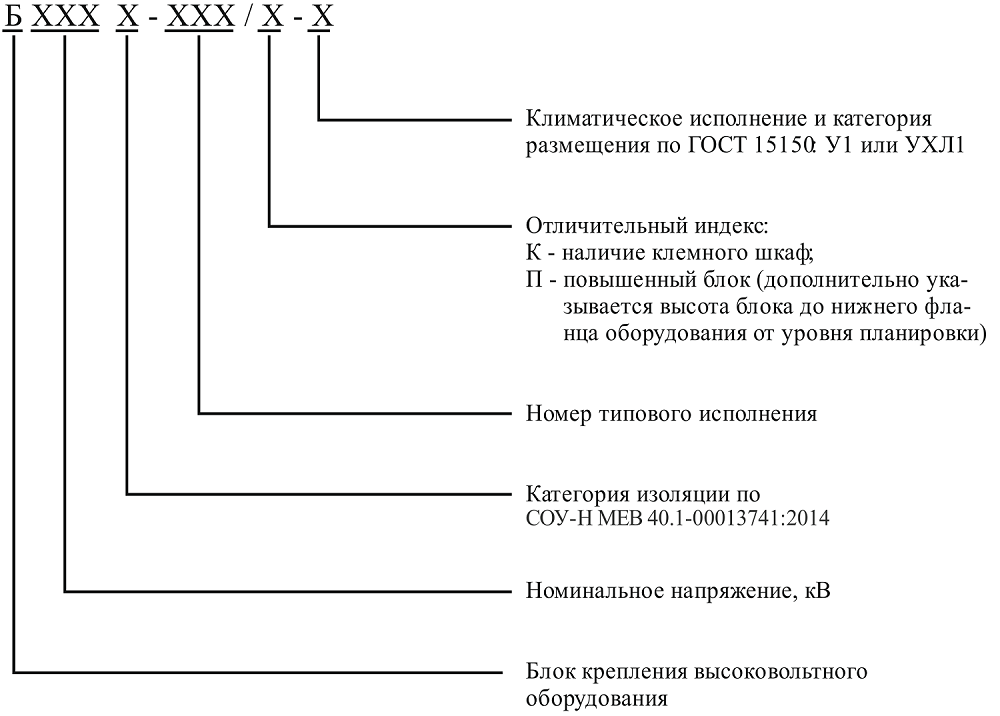
Structure of the type designation
Main technical specifications
| Parameter name | Parameter value |
|---|---|
| Rated voltage, kVA | 35 |
| Highest operating voltage, kV | 40.5 |
| Rated current: -of the main circuit -of the busbars |
630 1000 |
| Electrodynamic withstand current, kA | 52 |
| Thermal withstand current of busbars for 3 s, kA | 20 |
| Note 1 – In the 35 kV outdoor distribution device, current transformers may be used whose thermal and electrodynamic withstand capability differs from that of the units and blocks of the device. | |
The climatic design and placement category of the blocks with respect to the influence of environmental climatic factors correspond to design U and UHL of category 1, atmosphere type II per GOST 15150, GOST 15543.1, where:
- for design U1 the ambient air temperature is not lower than minus 45 C;
- for design UHL1 the ambient air temperature is not lower than minus 60 C;
- the upper value of the ambient air temperature is not higher than plus 40 C, for designs U and UHL1.
The installation height of the blocks above sea level is up to 1000 m.
The maximum standard wind velocity pressure is 12 N/m (600 Pa) at a height of up to 10 m above ground level with a recurrence of once every 10 years.
The ice wall thickness at a height of 10 m above ground level is no more than 30 mm with a recurrence of once every 10 years.
The environment is non-explosive and free of conductive dust, aggressive gases and vapours that destroy metal and insulation.
Atmosphere type II per GOST 15150.
With respect to the influence of mechanical environmental factors, the blocks correspond to the M1 group of operating conditions per GOST 17516.1.
The seismic resistance of the blocks is up to 9 points on the MSK-64 scale at a level of 0 – 10 m.
With respect to heating during long-term operation in normal mode at rated current, the elements of the blocks meet the requirements of GOST 8024 and DSTU IEC 61238-1-3:2019.
All blocks are equipped with means for transportation and movement by lifting mechanisms.
The blocks have sufficient mechanical strength to ensure normal operating and transport conditions without deformation or damage that would prevent their normal operation.
The external insulation category of the block electrical equipment is I, II and II* insulation pollution degrees per SOU-N MEV 40.1-00013741:2014.
The dielectric strength of the insulation of the main and auxiliary circuits of the blocks meets the requirements of GOST 1516.3.
The busbar system of the outdoor distribution device is made of 19150 ST1-2-70 aluminium alloy tubes per GOST 18482, GOST 18475, arranged in one or two tiers, and steel-aluminium wire.
Reliability indicators:
- service life of the blocks until the first medium repair – at least 6 years;
- service life of the blocks until decommissioning – at least 30 years (provided that the component equipment with a service life of less than 30 years is replaced).
The 35 kV outdoor distribution device complies with the requirements of TU U 27.1-40132794-004:2017.
GET A CONSULTATION
FREQUENTLY ASKED QUESTIONS
This is an outdoor distribution device designed for the reception and distribution of electricity, where all equipment (circuit breakers, disconnectors, transformers) is placed in the open air on special steel or concrete supports. It is a classic solution for nodal substations of regional power companies and large industrial facilities.
An open VRU is usually cheaper at the equipment procurement stage, since it does not require a permanent building or an expensive insulated container. However, it occupies 2-3 times more land area than enclosed metal-clad switchgear. That is why a VRU is chosen where there is no shortage of land.
It is the main choice for wind (WPP) and solar (SPP) power plants, as well as for 35/10 kV transformer substations in rural areas or on the outskirts of cities, where large consumers need to be connected.
Other equipment from our company
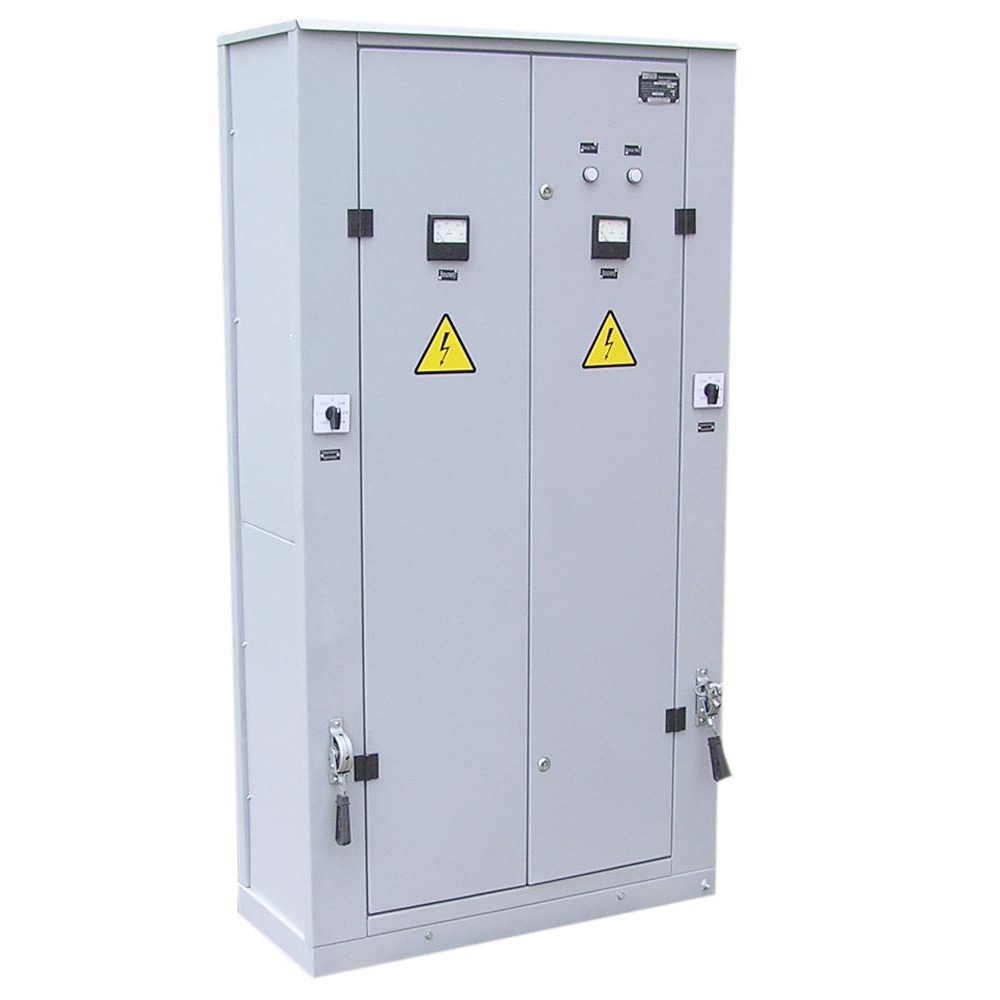
35 kV outdoor distribution device (VRU)
- Price:price per unit from 300 000 - 4 000 000 грн
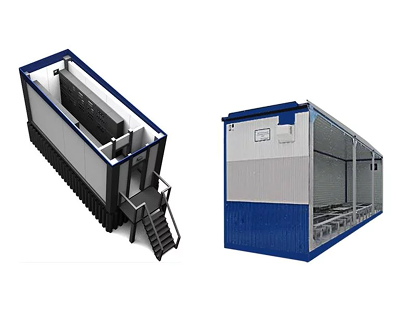
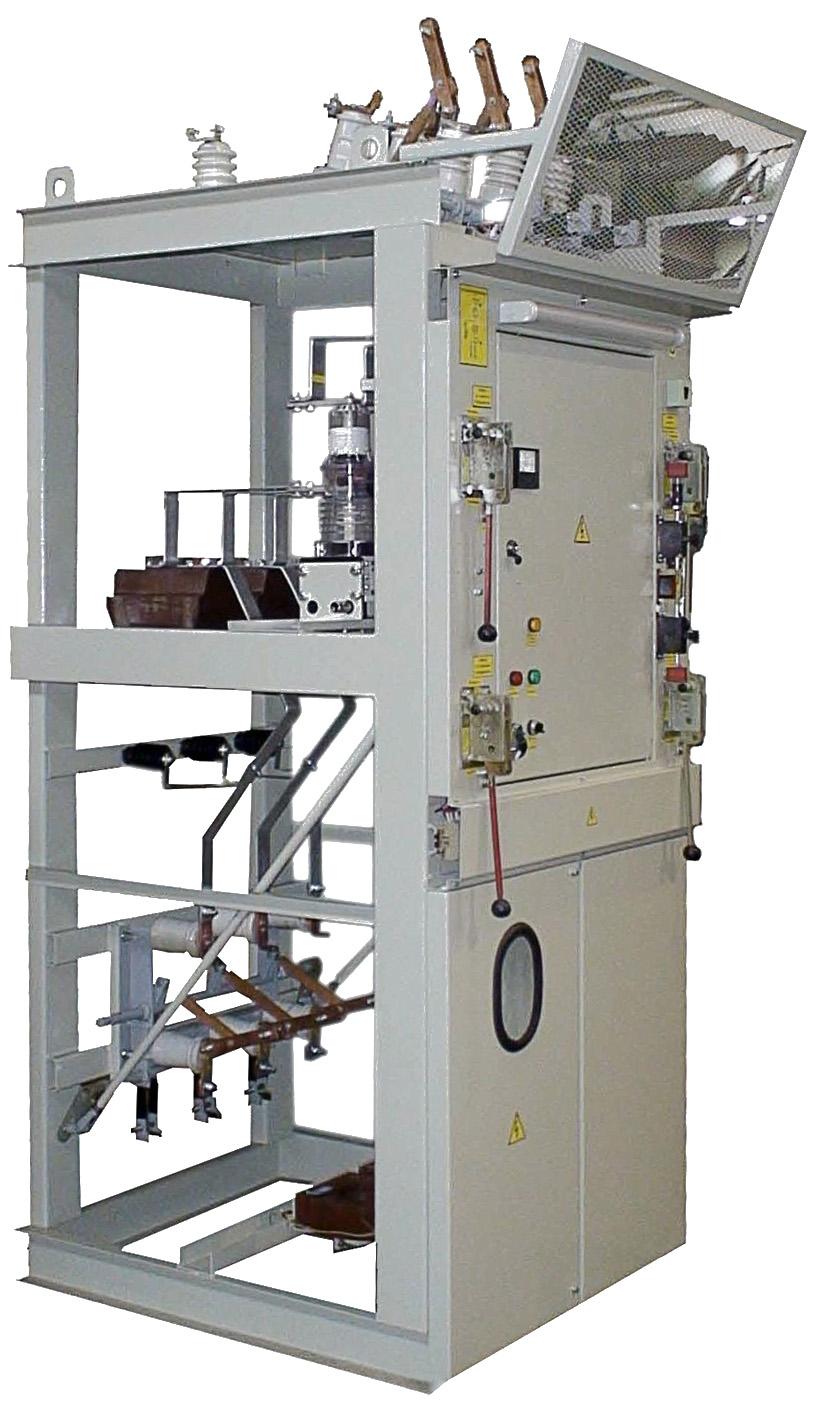
One-side-serviced switchgear cubicles type KSO-E
- Price:price per unit from 40 000 - 600 000 грн
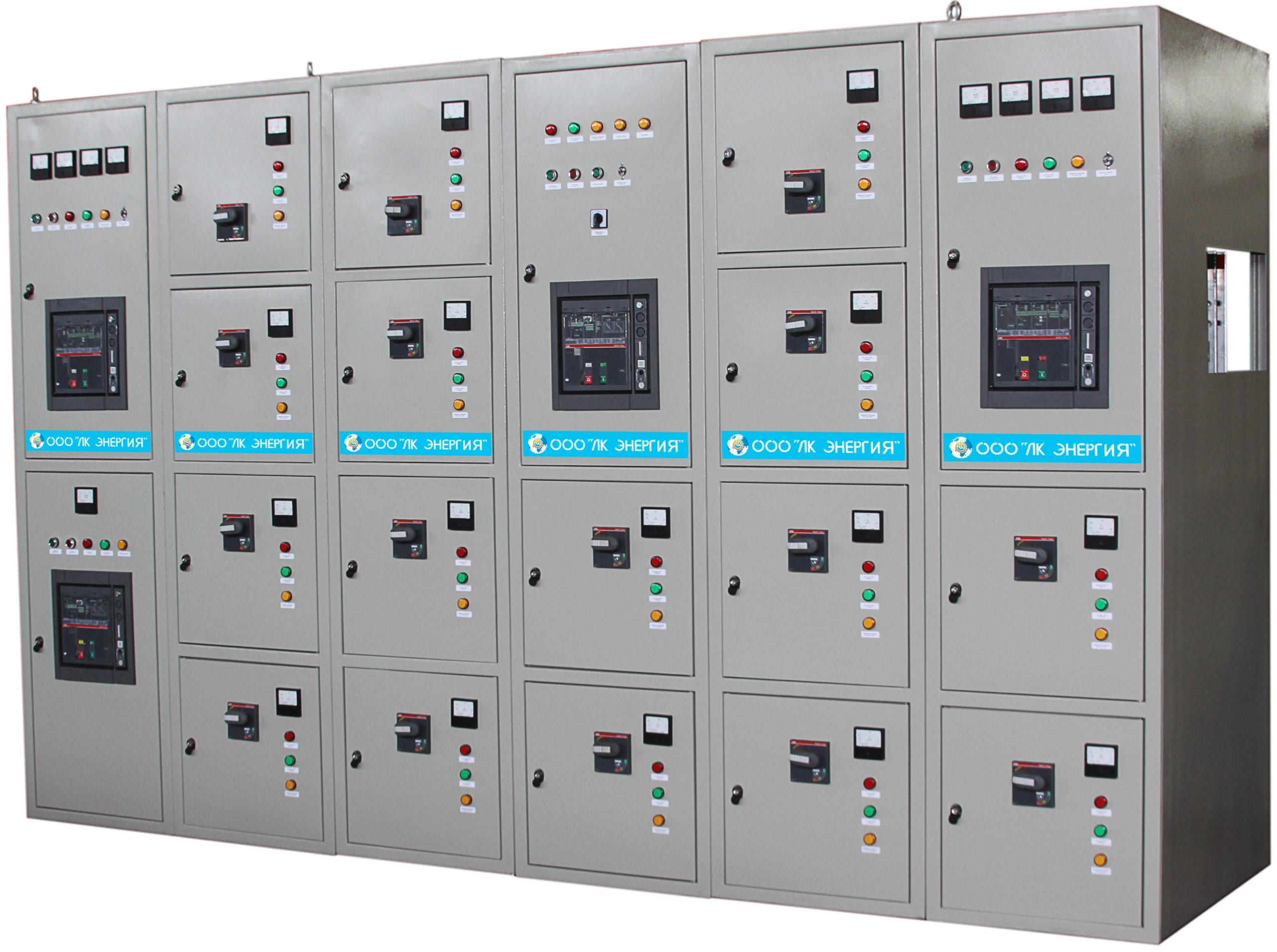
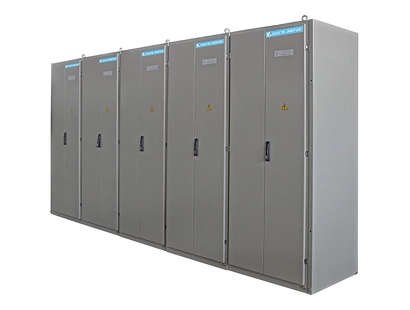
Low-voltage distribution device up to 5000 A
- Price:price per unit from 1 000 000 - 5 000 000 грн
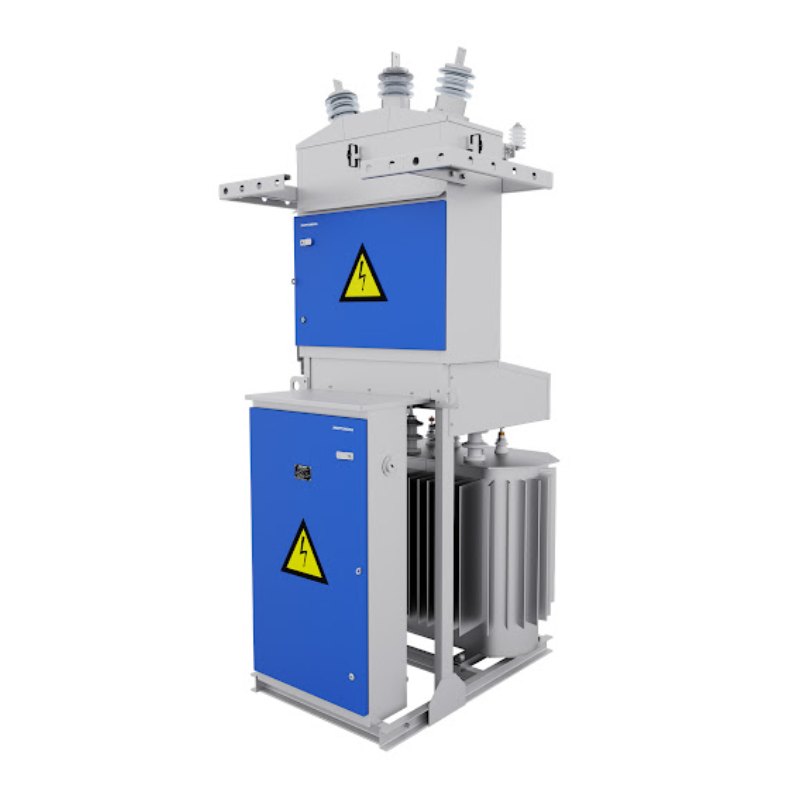
Pole-mounted packaged transformer substations (KTPM)
- Price:price per unit from 250 000 - 900 000 грн
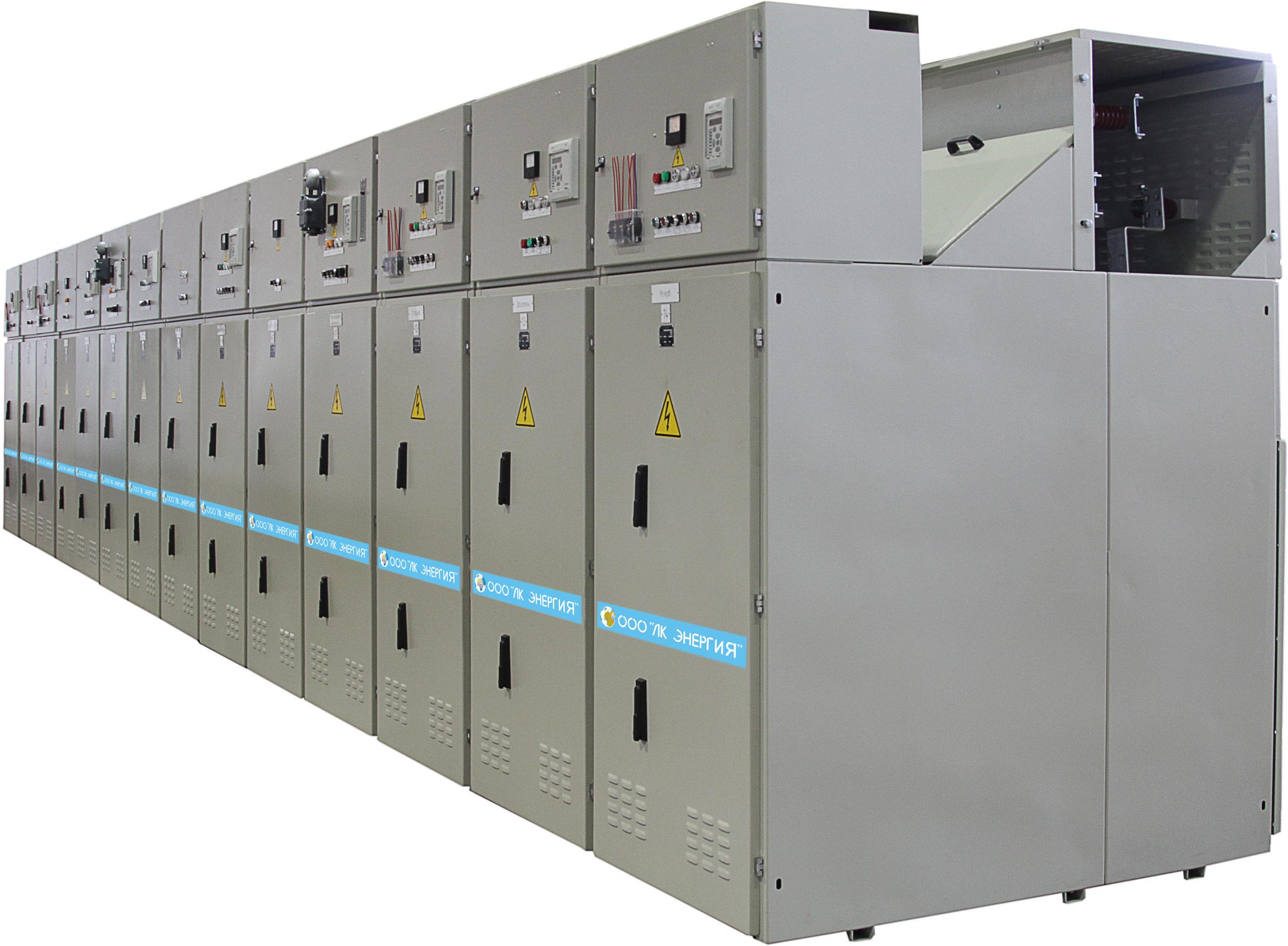
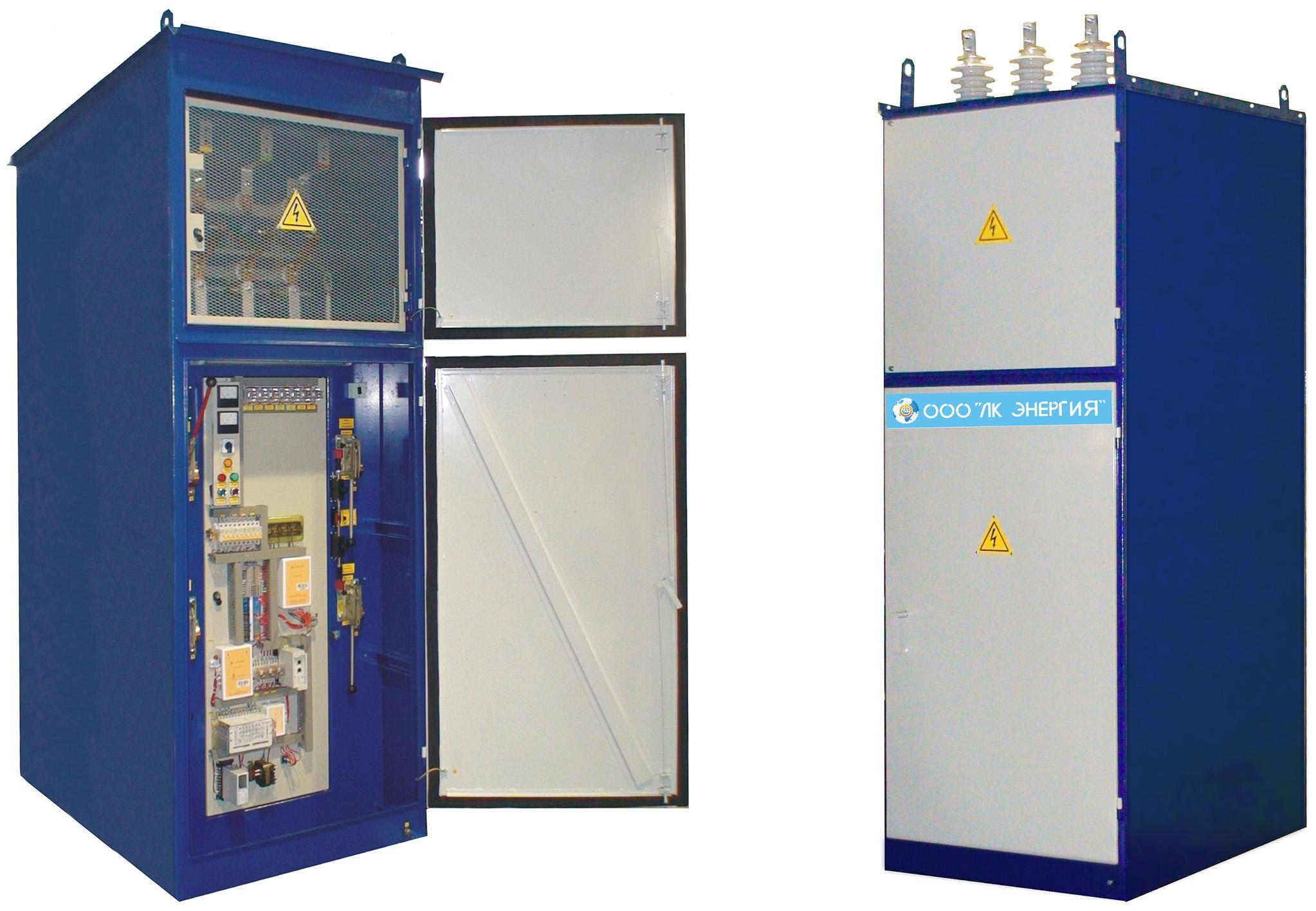
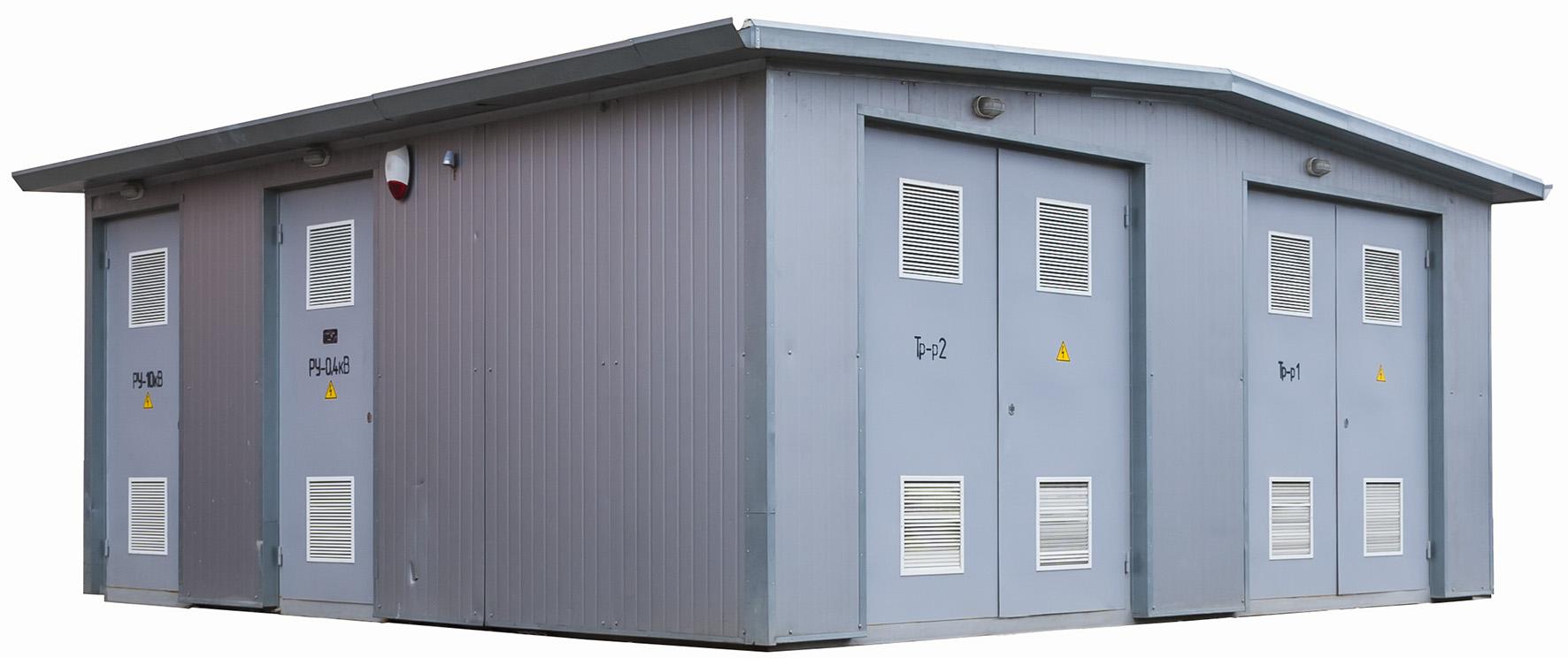
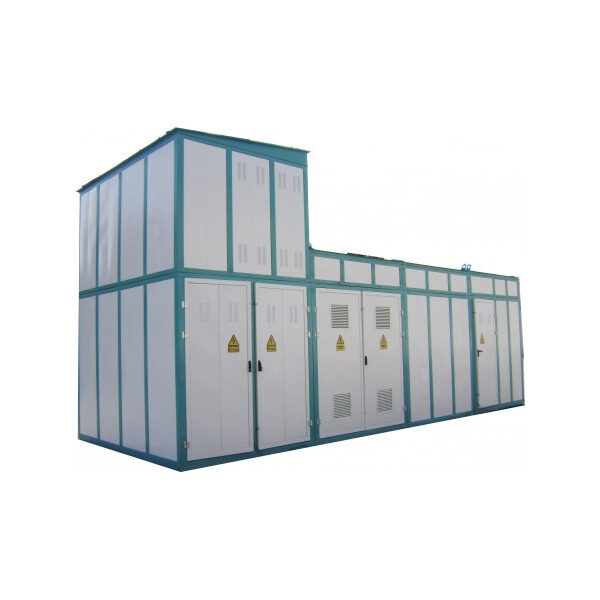
35 kV block-type packaged substation (KTPB)
- Price:price per unit from 3 000 000 - 15 000 000 грн
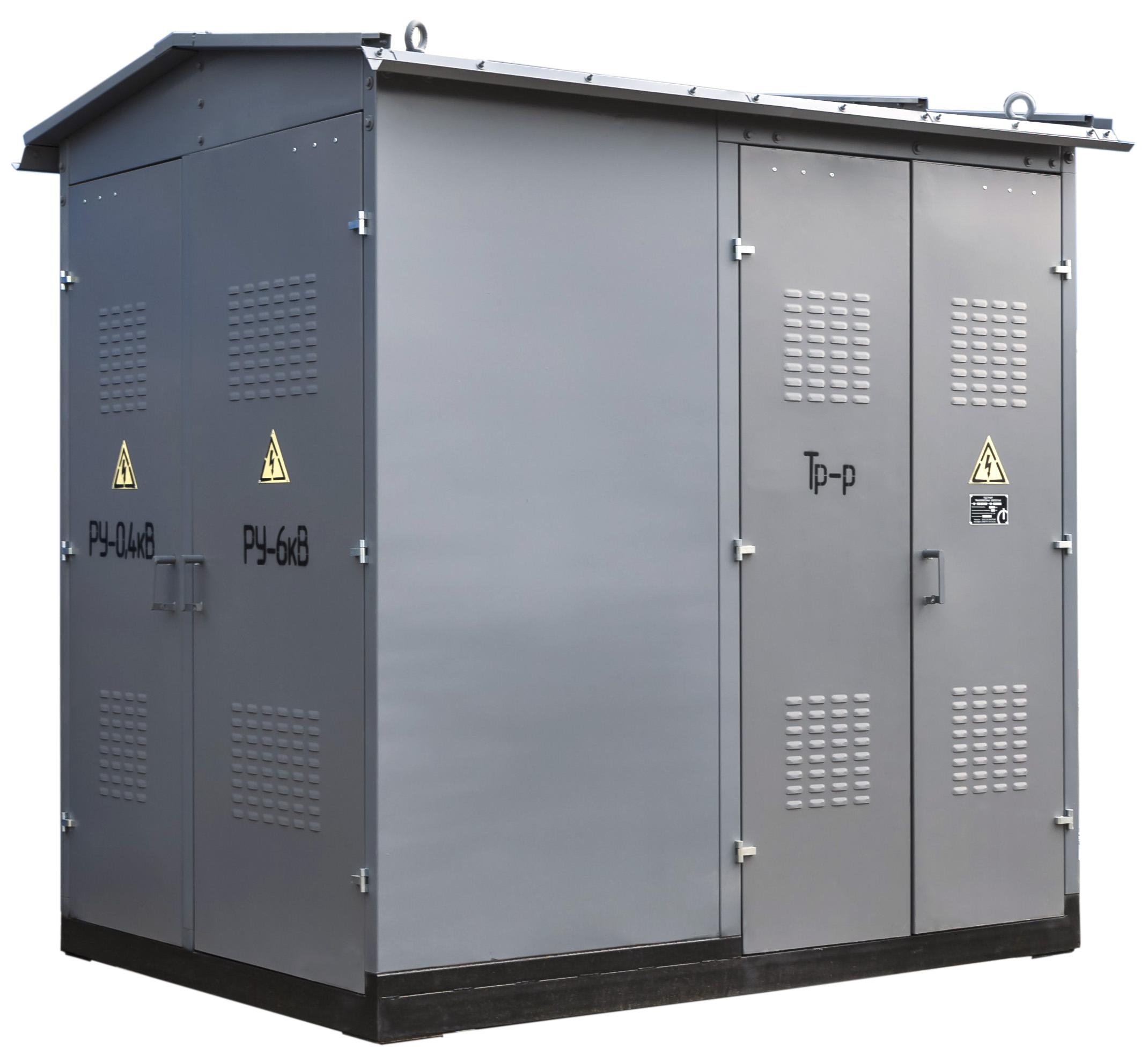
Block-type packaged transformer substations for 10(6)/0.4 kV, 35/10(6) kV
- Price:price per unit from 400 000 - 10 000 000 грн
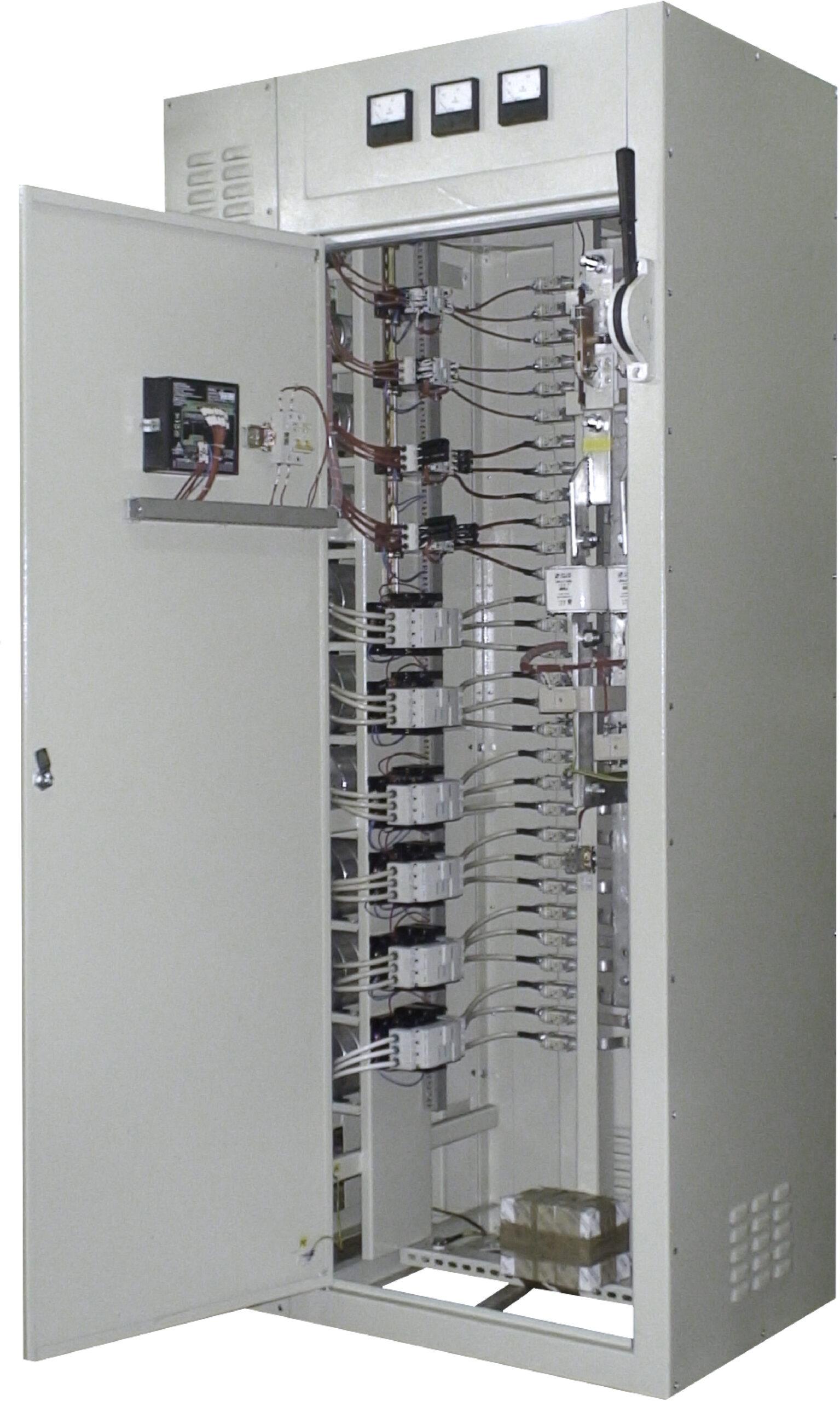
ShchO 90 type distribution board panels for currents up to 4000 A
- Price:від 11 000 - 800 000 грн
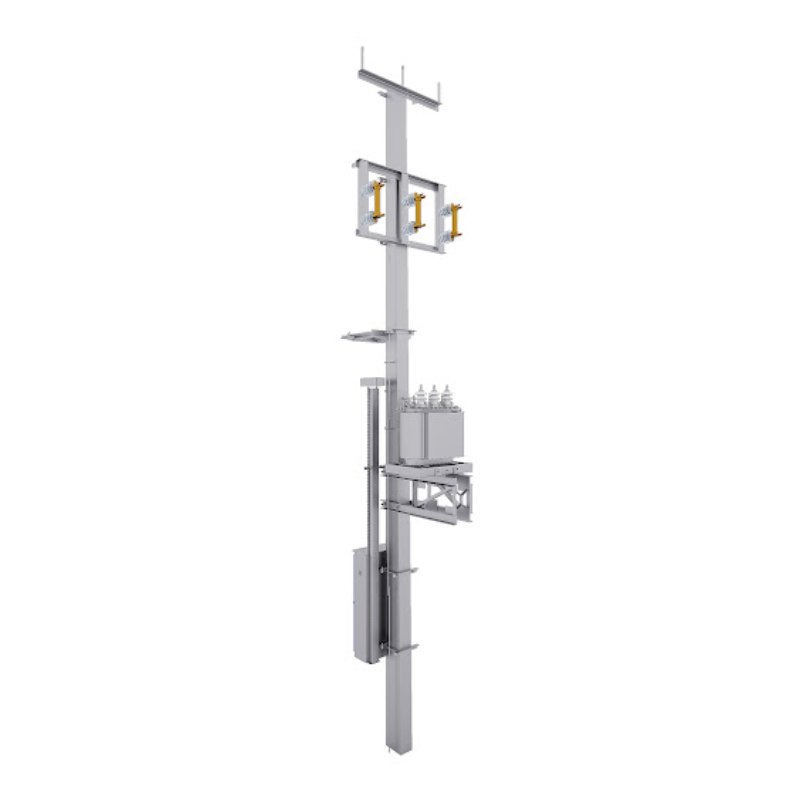
Pole-mounted transformer substations (pole-mounted transformer substation)
- Price:price per unit from 100 000 - 300 000 грн
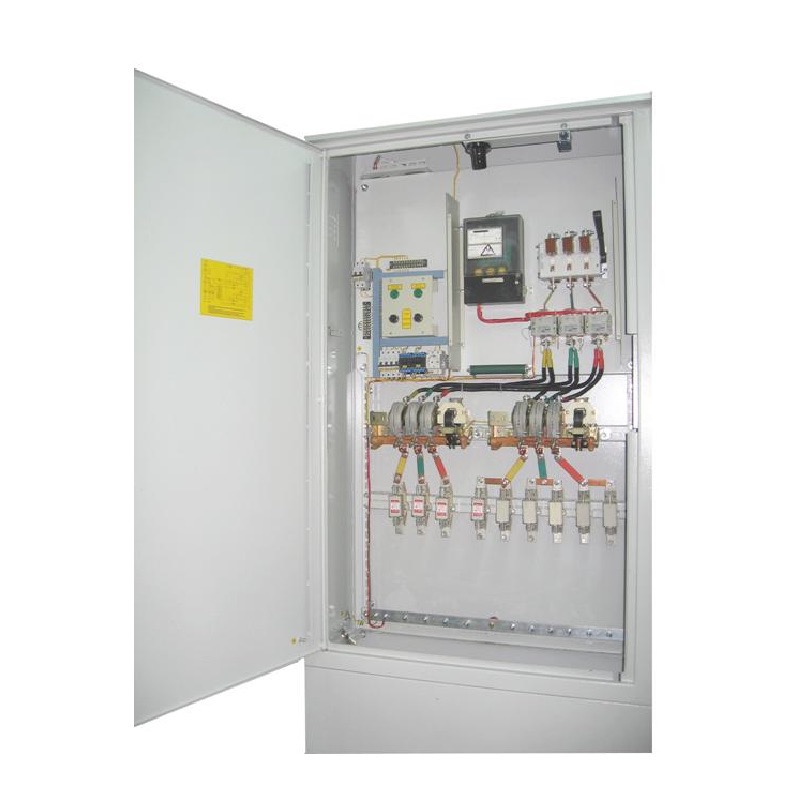
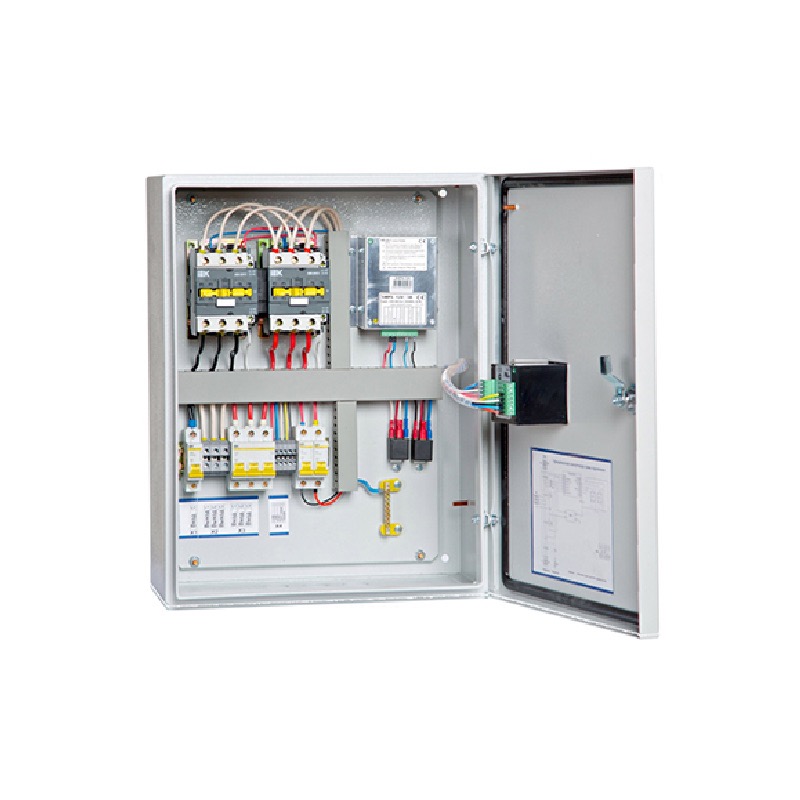
Street lighting control cabinets I-710 (UNO)
- Price:price per unit from 50 000 - 100 000 грн
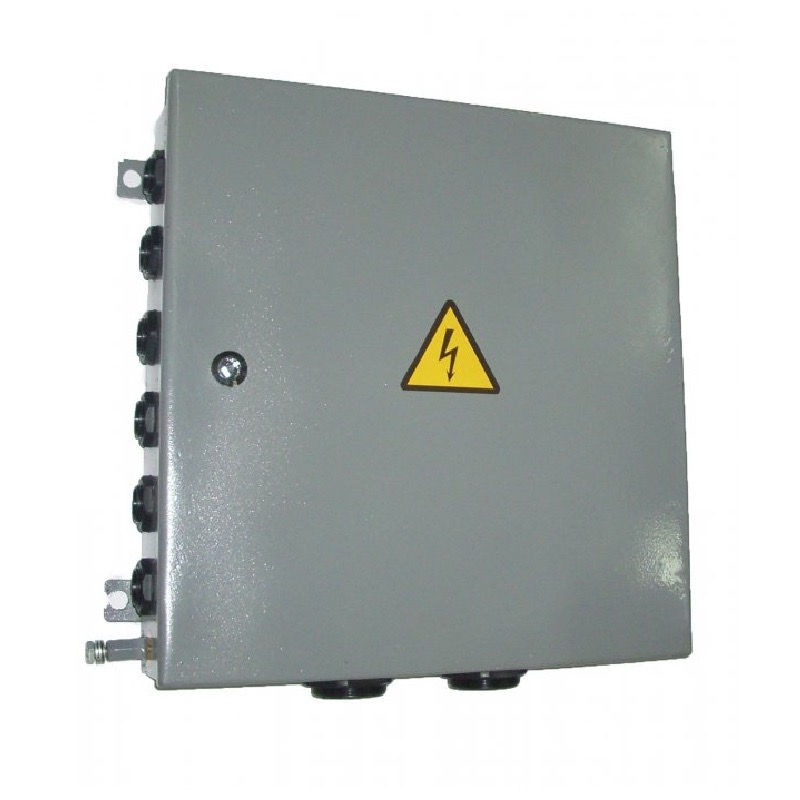
Power switch boxes with knife-switch of YaR, YaRP, YaPRP types
- Price:price per unit from 5 000 - 30 000 грн